Choosing the right air conditioner for an Australian home affects comfort, energy use, and running costs. Climate, home size, and lifestyle all influence which system will work best.
Options vary in type, installation cost, and energy efficiency, so selecting the right unit can improve cooling and heating performance while helping manage energy use. Key points include common air conditioner types, energy considerations, and practical tips for choosing a system that suits your home and household needs.
Main Types Of Air Conditioners
Before selecting an air conditioner, it is important to know the main system types and how each one fits different home layouts, room sizes, and cooling needs.
Split System Air Conditioners
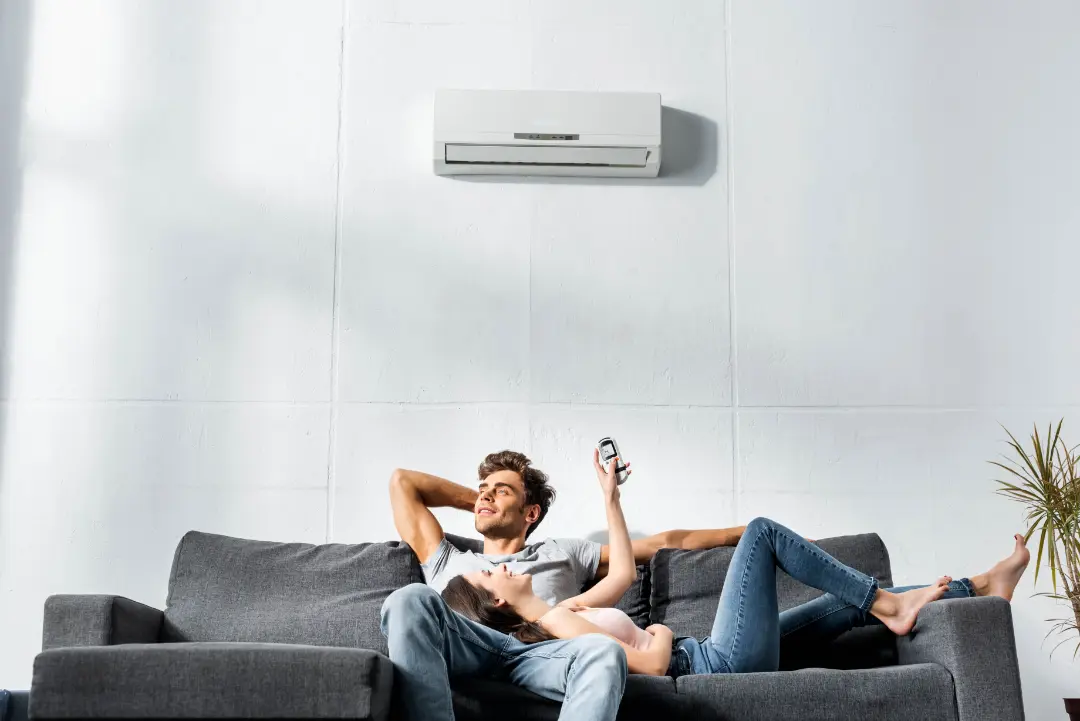
Split system air conditioners are among the most popular choices for Australian homes due to their versatility and efficiency. These systems consist of two main components.
An indoor unit that blows cooled or heated air into the room, and an outdoor unit that expels heat from inside the home. The two units are connected by refrigerant piping and electrical wiring.
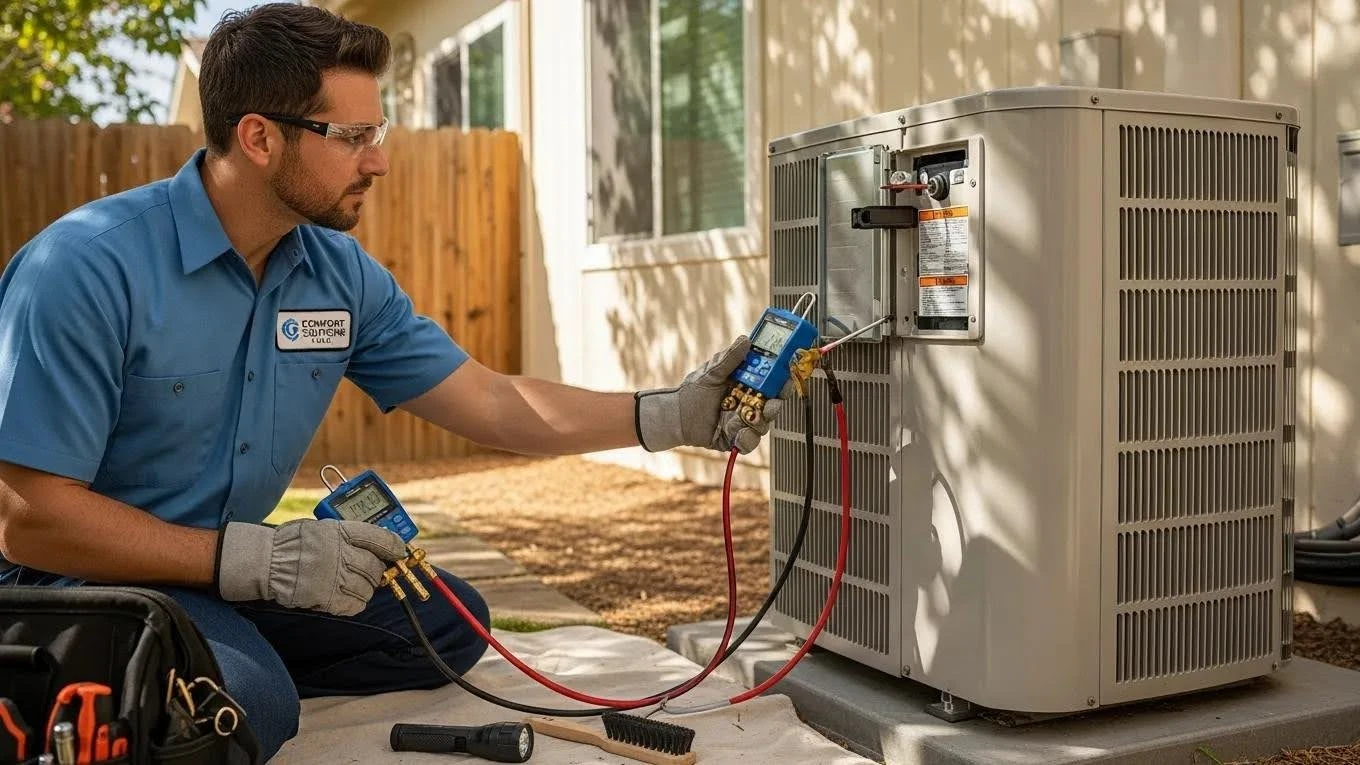
How They Work: The indoor unit contains an evaporator coil and a fan, while the outdoor unit houses the compressor and condenser coil. The refrigerant absorbs heat from inside the home and releases it outside, effectively cooling the indoor air.
Many split systems also offer reverse cycle functionality, providing heating during colder months.
Pros:
- Energy efficient with high star ratings available
- Relatively easy and quick to install
- Quiet operation indoors
- Suitable for cooling or heating individual rooms or zones
- Often cost-effective for small to medium-sized homes
Cons:
- Limited to cooling or heating specific rooms unless multiple units are installed
- The outdoor unit requires space and may affect aesthetics
Best Use Cases: Well-suited for you who want individual-room temperature control without the expense of ducted systems.
Ducted Air Conditioning
Ducted air conditioning systems are designed to cool or heat an entire home through a network of ducts installed in the ceiling or under the floor. A central unit conditions the air, which is then distributed to multiple rooms via vents.
How They Work: The system includes a central compressor and evaporator unit connected to a series of ducts that deliver conditioned air throughout the house. Zoning options allow different areas to be controlled independently, which can improve comfort and efficiency.
Pros:
- Provides whole-home climate control
- Discreet installation with minimal visible indoor units
- Can support property value
- Effective for larger homes or open-plan living spaces
- Advanced zoning options for customised comfort
Cons:
- Higher upfront installation costs (often higher than split systems)
- Installation can be disruptive and requires sufficient ceiling or floor space
- Potential energy loss if ducts are poorly insulated or leak
Best Use Cases: Suitable for larger homes or those seeking a seamless, whole-house solution with minimal indoor unit visibility.
Window/Wall Units
Window or wall-mounted air conditioners are compact units installed directly into a window or a hole in an external wall. These units combine all components into a single box, making them a self-contained cooling solution.
Pros:
- Affordable initial cost
- Generally simple installation without the need for extensive ductwork
- Good for cooling single rooms
- Ideal for rental properties or temporary cooling needs
Cons:
- Generally less energy efficient than split or ducted systems
- Can be noisy
- Blocks window space and may affect aesthetics
- Limited heating capability
Best Use Cases: Well-suited for renters or you seeking a low-cost, easy-to-install option for cooling individual rooms.
Portable Air Conditioners
Portable air conditioners are freestanding units that can be moved from room to room. They typically require a venting hose to expel hot air through a window or wall opening.
When to Use: Portable units are useful for temporary cooling, spot cooling in rooms without existing air conditioning, or in situations where installation of permanent units is not possible.
Limitations:
- Generally, less efficient and more expensive to run than fixed systems
- Require venting, which can be cumbersome
- Limited cooling capacity, suitable mainly for small spaces
- Can be noisy and bulky
Flexibility: Their portability allows users to cool different rooms as needed, but this can mean reduced efficiency and higher energy consumption.
Multi-Split Systems
Multi-split systems are an extension of split systems, allowing multiple indoor units to be connected to a single outdoor compressor. This setup enables the cooling or heating of several rooms independently.
Benefits:
- Efficient use of outdoor space with one compressor
- Individual room temperature control
- Reduced installation footprint compared to multiple single split systems
- Potential energy savings through zoning
Best Use Cases: Well-suited for medium to large homes where multiple rooms require air conditioning but ducted systems are not feasible or desired.
Energy Efficiency Considerations
Energy efficiency is a key factor when choosing an air conditioner because it affects running costs and environmental impact. In Australia, star ratings help compare models, with higher stars showing better efficiency.
Energy labels can show estimated running costs, making comparisons easier. Many modern units use inverter technology, which adjusts compressor speed for better temperature control, often lower energy use, and quieter operation.
Split systems often balance cost and efficiency well, while ducted systems suit whole-home use but can use more energy if not zoned or well-designed. For Sydney’s climate, reverse-cycle split systems with inverter technology are often a practical year-round option.
How To Choose The Right Air Conditioner
Choosing the right air conditioner involves considering several factors to support comfort, efficiency, and value for money.
Room Size And Capacity Calculations
The cooling or heating capacity of an air conditioner is measured in kilowatts (kW). As a general rule, capacity depends on room size, insulation, and sun exposure, so use a sizing guide or professional assessment.
Oversizing or undersizing a unit can lead to inefficiency and discomfort. It is advisable to consult sizing guides or professionals to calculate the correct capacity based on room dimensions, insulation, and sun exposure.
Climate Considerations For Australian Conditions
Different regions have varying climate demands. For example, homes in northern Australia may prioritise powerful cooling, while southern states may require efficient heating as well. Reverse cycle units are versatile for many Australian conditions.
Budget Factors
Consider the total cost of ownership, including purchase price, installation fees, and ongoing running costs. While ducted systems have higher upfront costs, they may offer good value for large homes. Split systems and multi-split units provide flexibility and can offer lower upfront costs than ducted systems for smaller spaces.
Home Type
Apartments and rental properties often have restrictions on installation, making split systems or portable units more suitable. Detached houses have more options, including ducted systems.
Noise Levels
Indoor and outdoor unit noise can affect comfort, especially in bedrooms or quiet neighbourhoods. Look for units with low decibel ratings and inverter technology for quieter operation.
Installation Requirements
Some systems require professional installation, including electrical work and structural modifications. Ensure your home can accommodate the chosen system and that the installation complies with local regulations.
Why Choose Smartway Aircon For System Selection?
At Smartway Aircon, we will help you in choosing the right air conditioning system based on home size, layout, comfort needs, and budget. Our team gives practical advice on split, ducted, portable, and multi-split options, while also considering energy efficiency and long-term running costs.
With clear recommendations and professional support, we make it easier to choose an air conditioner that performs well in Australian conditions and suits everyday household use.
What Should You Focus On Before Buying?
Before choosing an air conditioner, focus on the factors that affect comfort and long-term value, not just the purchase price. The best system depends on room size, climate, installation needs, and energy efficiency.
A unit that is correctly sized and properly installed will usually perform better and cost less to run over time. Comparing system types carefully can help you select an option that delivers reliable cooling and heating while matching your home and lifestyle.
Frequently Asked Questions
What Factors Should I Consider When Choosing An Air Conditioner For My Home?
When selecting an air conditioner, consider factors such as room size, climate conditions, budget, and installation requirements. Calculate the cooling capacity needed based on room dimensions, and assess whether your area requires more cooling or heating.
What Is Inverter Technology, And How Does It Benefit Air Conditioning Systems?
Inverter technology lets an air conditioner compressor run at variable speeds, matching demand for better temperature control, often lower energy use, quieter performance, improved efficiency ratings, and potentially reduced running costs.
How Can I Improve The Energy Efficiency Of My Existing Air Conditioning System?
To enhance the energy efficiency of your current air conditioning system, start by regularly cleaning or replacing filters to support proper airflow. Seal any leaks in ductwork and insulate ducts to reduce energy loss.
What Are The Advantages Of Ducted Air Conditioning Systems?
Ducted air conditioning provides whole-home comfort, discreet vents, and zoning control for different areas. It suits larger homes, can improve convenience and value, and can offer efficient year-round cooling and heating.