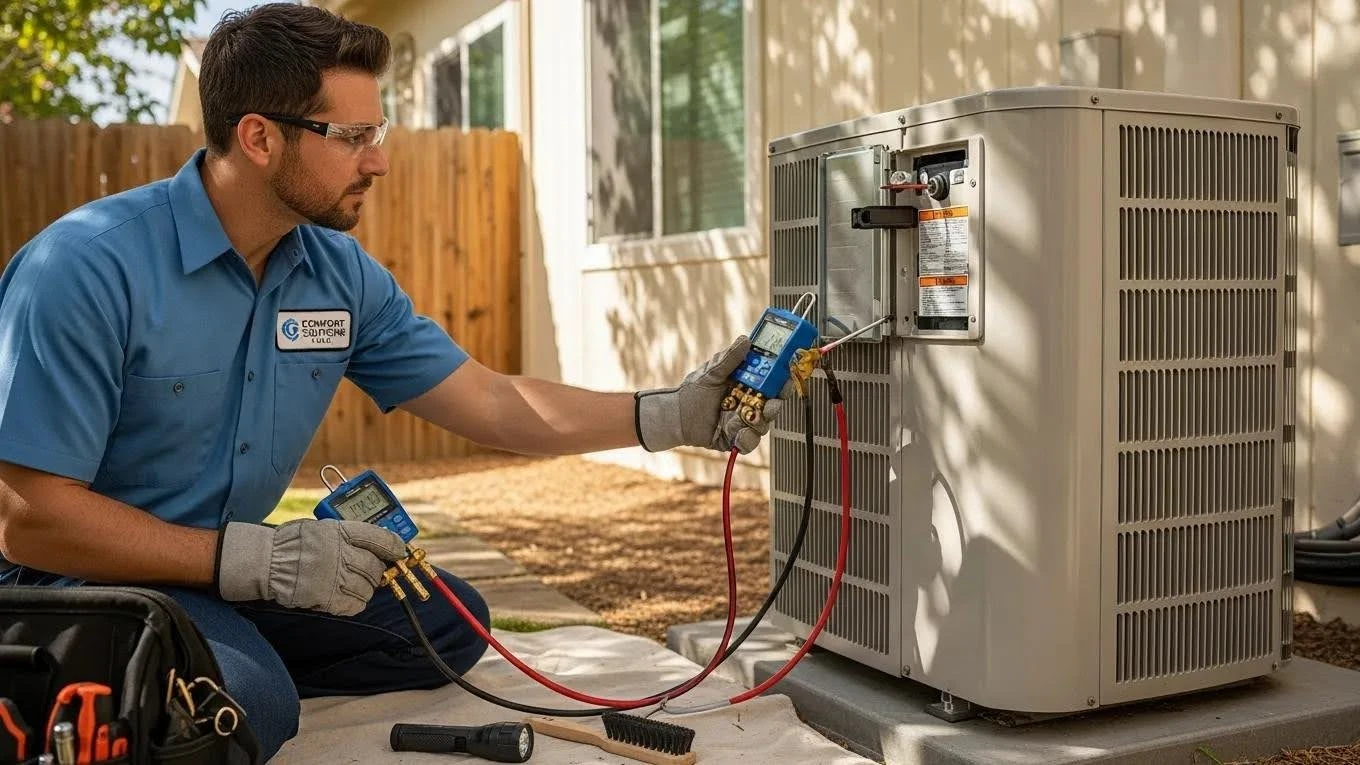
This practical guide focuses on Daikin systems and is written for homeowners and small businesses.
It helps you spot common faults, interpret Daikin error codes, and decide when a safe DIY check is enough, and when it’s time to call a licensed technician.
You’ll find fast checks for cooling issues, steps to read and act on error codes, clear advice for water leaks, and an explanation of what a flashing green light usually means.
We cover likely root causes (filters, refrigerant, compressor, drain lines, electronics), give short numbered and bulleted steps for immediate containment, and include quick-reference tables that match symptoms and codes to next steps.
Terms like split system, inverter, indoor unit, outdoor unit, and common Daikin codes are used throughout to speed up diagnosis for Sydney homeowners and technicians.
Smartway Airconditioning is a Sydney-based HVAC team specialising in Daikin repairs, 24-hour air conditioning service, installations, cleans, fan motor replacement, gas leak repairs, and ongoing maintenance.
If diagnostics point to refrigerant, compressor, or electrical faults you shouldn’t handle yourself, Smartway provides licensed, insured technicians and customer-first repairs.
Why is my Daikin air conditioner running but not cooling?
If your Daikin is on but not cooling, the usual causes are restricted airflow, low refrigerant, or a mechanical/electrical fault. Restricted airflow, often from a dirty filter or blocked grille, reduces heat transfer and cuts cooling power. Low refrigerant or a leak prevents the evaporator from absorbing heat and can cause frost on the coils or weak cool airflow. Electrical problems or a failed compressor stop the system from producing cold refrigerant and require a licensed technician. The quick checks below help you safely triage the problem before you arrange service.
Common immediate causes and checks for a Daikin that won’t cool:
- Dirty or blocked air filter: remove and clean the indoor filter; look for heavy dust or reduced airflow.
- Blocked outdoor unit: inspect the condenser coil for leaves, grass or debris that restricts airflow.
- Thermostat or mode set incorrectly: make sure the remote or control panel is on “cool” and the set temperature is lower than the room temperature.
Do these quick tests first. If airflow and settings look fine but the unit still won’t cool, the issue is likely refrigerant-related, compressor, or electrical, and will need professional attention.
What causes Daikin AC cooling loss?
The most common root causes are dirty filters, blocked airflow (indoor or outdoor), low refrigerant, and compressor or electrical failures.
A clogged filter cuts supply airflow and can trigger airflow-protection on modern Daikin inverter systems, reducing cooling output. Low refrigerant, often from a leak, commonly shows as frost on the evaporator or unusually warm suction lines because the unit can’t transfer heat effectively.
Compressor or control-board faults present as strange noises, repeated short cycling or no cooling even when the fans run. Those faults typically need a licensed technician to diagnose and repair safely.
These causes point to practical DIY checks you can safely do at home to narrow the problem before calling for service.
How to fix a Daikin that isn’t cooling, at home
Start with simple, safe maintenance steps that often restore normal operation. Turn off the power, remove and clean or replace the indoor filter, and clear leaves and debris from the outdoor unit to improve airflow. Check the thermostat or remote settings and try a full power reset by switching the breaker off for about one minute; that often clears minor electronic glitches. If you find frost on coils, hear hissing, notice reduced airflow, or still get warm air after these steps, stop DIY work: refrigerant and compressor repairs must be done by licensed technicians to avoid injury and protect warranties. Note symptoms and any error codes to speed the technician’s diagnosis.
| Symptom | Possible Cause | Quick DIY Check | Professional Fix |
|---|---|---|---|
| Reduced airflow / weak cool air | Dirty filter or blocked outdoor coil | Inspect and clean the indoor filter; clear outdoor debris | Deep coil clean, airflow testing and service |
| Frost on coil / cold code | Low refrigerant or leak | Look for frost; listen for hissing sounds | Leak detection, recovery and refrigerant recharge |
| Unit runs but not cooling | Compressor or electrical fault | Power-cycle the unit; note smells or unusual noises | Electrical diagnosis, compressor repair or replacement |
This quick-reference table shows what to try immediately and when to escalate to professional service.
What do Daikin error codes mean? A practical reference
Daikin error codes are short alphanumeric messages shown on the indoor display, remote, or via indicator lights on the units. They point to detected faults and give technicians a solid starting place.
To read codes correctly, note the exact letters/numbers, watch for related symptoms (sounds, smells, behaviour), and try a safe reset before recording details for service. Some codes clear with a reset or cleaning; others mean refrigerant or electrical work is needed. Use the compact code reference below to triage.
How to read and check a Daikin code safely:
- Write down the full code from the indoor display or remote and note any blinking lights on the indoor or outdoor unit.
- If the unit is unresponsive, perform a safe power reset at the isolator or breaker for 30–60 seconds.
- Check for obvious issues (blocked filters, ice, water leaks) and document all symptoms before calling for service.
How to read and verify Daikin error codes
Error codes appear on the indoor display, remote, or through blinking lights on either unit and should be recorded exactly. After noting the code, observe the unit’s behaviour, unusual noises, short-cycling, or no compressor operation, because that context helps identify whether the code flags a sensor, communication fault, or a real component failure.
Power-cycle the system and see if the code returns; if it does, photograph or write it down with symptoms to give your technician a fast starting point. Don’t probe electrical components or refrigerant lines yourself.
Recording the code and symptoms before you call reduces diagnostic time and often lowers repair costs.
Most common Daikin error codes and what to do
Below are frequent homeowner codes and immediate actions. Codes such as U0 (communication error), A3 (indoor fan/motor or sensor issue), and E6 (outdoor thermistor/communication fault) occur regularly and vary in urgency.
Some clear with a power cycle; many require a trained technician. If a code suggests refrigerant pressure problems, abnormal temperatures, or compressor lockouts, stop and call a licensed technician. Always document persistent codes and symptoms before the service visit.
| Error Code | Likely Fault | Immediate DIY Check | When to Call a Technician |
|---|---|---|---|
| U0 | Communication fault | Power-cycle the unit and recheck the display | If the code returns, electrical or PCB diagnosis required |
| A3 | Indoor fan or sensor fault | Inspect filter and access panel for obstructions | Fan motor replacement or sensor testing by a technician |
| E6 | Outdoor sensor / communication issue | Check outdoor unit for obstructions and visible wiring | Thermistor, wiring or communication repair |
For complex error codes or urgent overnight failures, Smartway Airconditioning offers 24-hour Daikin diagnosis and repair across Sydney to restore safe operation quickly.
How to stop a Daikin air conditioner from leaking water
Water leaks usually come from clogged condensate drains, blocked drain pans or a failed condensate pump in split and ducted systems. Blocked drain lines cause condensate to back up and overflow indoor cassettes or wall units; failed pumps leave water sitting and leaking indoors.
Poor installation or an incorrectly pitched indoor unit can also cause pooling. Quick containment followed by a targeted inspection limits damage while you decide whether a safe DIY clear is possible or you need professional help.
Immediate actions to reduce damage:
- Switch the unit off at the mains to stop further condensate production.
- Place towels or a container under the leak and mop up standing water.
- If it’s safe, inspect the visible drain line for blockages and try a gentle wet/dry vacuum or manual clearing.
What typically causes water leaks in Daikin systems?
Common mechanical and installation causes include clogged drain lines or pans, condensate pump failure, and incorrect indoor unit pitch; each creates distinct symptoms like pooling, musty odours, or mould. A blocked drain usually causes a slow, steady leak under the indoor unit; pump failure often causes sudden pooling when the pump stops evacuating water. Poor installation or a tilted bracket causes constant dripping at the unit edge. These patterns help you decide whether to attempt a simple clear or call for immediate professional service.
Identifying the cause quickly reduces water damage and points to the right repair path.
How to repair Daikin water leaks safely
If the issue is a clogged drain, you can often clear it with a low-pressure wet/dry vacuum at the external drain outlet or by flushing the line with clean water after isolating power.
Always turn the power off before accessing the drain pan or removing covers, and avoid chemical drain cleaners that can damage PVC and components. If water returns, the condensate pump is failing, or electrical parts have been exposed to water, stop DIY work and call a licensed technician to avoid shocks and protect warranties.
Regular maintenance, including scheduled drain cleaning, prevents repeat leaks and reduces mould risk.
| Leak Location (indoor/outdoor) | Likely Cause | Temporary Fix | Recommended Professional Action |
|---|---|---|---|
| Indoor pan overflow | Clogged drain line | Power off, contain water, vacuum the drain outlet | Clear or replace drain line; inspect pan condition |
| Pump failure | Condensate pump malfunction | Contain water and avoid using the unit | Replace pump and test evacuation system |
| Outdoor drip | Blocked external outlet or poor slope | Clear debris and check outlet slope | Inspect piping, traps and secure fittings |
Use this table to match leak symptoms with short-term containment and the correct professional follow-up.
Why is my Daikin’s green light blinking?
A blinking green light on a Daikin can mean normal operation, a self-check, or a fault; it depends on the model and any other symptoms. The light may flash during remote pairing, defrost cycles (heat mode), or while the system runs self-tests. But if blinking is paired with error codes, odd noises, smells, or loss of function, it usually indicates a fault that needs checking.
Check the remote and indoor display for codes, and perform a safe power reset to see if the indicator clears, which helps determine whether the blink is harmless or requires service.
Immediate steps to interpret a blinking green light:
- Check the remote and indoor display for any error codes or messages and note them down.
- Perform a safe power reset and see if the light clears; observe whether it returns and under what conditions.
- If blinking accompanies burning smells, smoke or strange noises, isolate power and call a technician immediately.
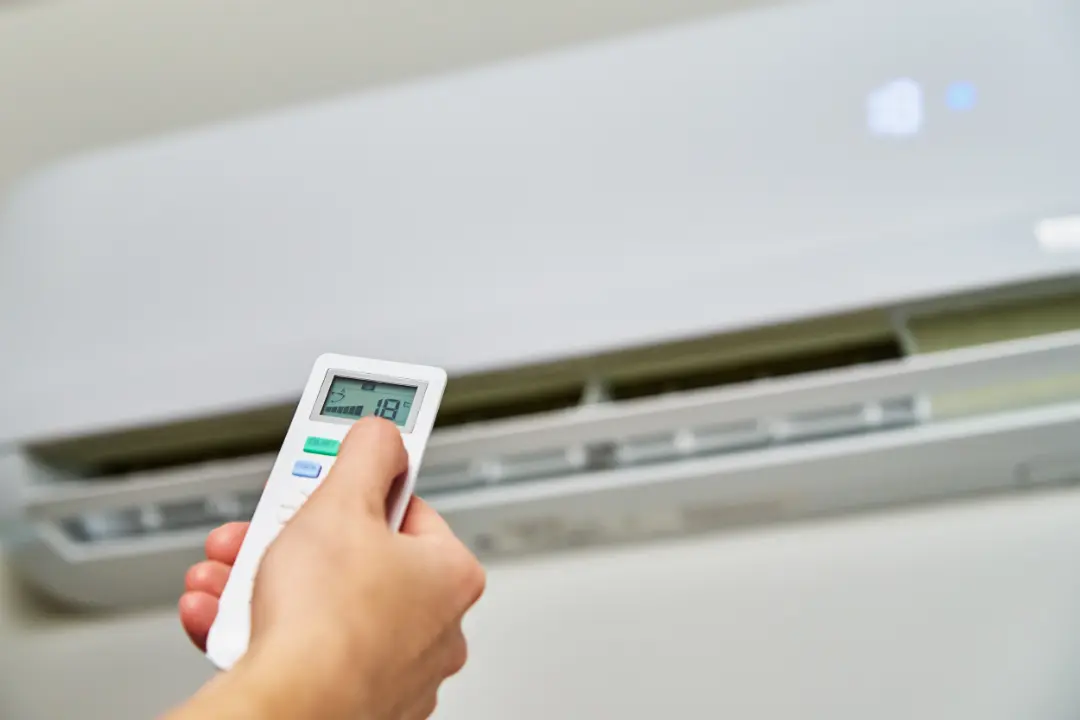
What does a flashing green light usually indicate on Daikin units?
On some models, a flashing green is normal for standby or defrost; on others, it flags communication or diagnostic alerts. Normal flashes are brief or follow predictable patterns; diagnostic flashes are repetitive and may appear with display codes. Cross-referencing the flash behaviour with any displayed codes and recent symptoms helps decide if the unit is in a harmless mode or signalling a fault. Record the flash pattern, codes and symptoms before contacting service to speed diagnosis.
Documenting light behaviour and related symptoms gives the technician a clear starting point for an efficient inspection.
How to troubleshoot a blinking green light
Start by checking for error codes, confirming remote settings, and doing a power cycle to clear transient faults. If the blink continues, inspect filters and drains; protective modes can be triggered by blocked airflow or water issues.
Clean or replace filters, clear outdoor airflow, and restart the unit to see if normal operation returns. If the light keeps blinking or you detect overheating, burning smells, or performance loss, switch off the breaker and call a licensed technician for electrical and control-board diagnostics. For urgent or overnight failures, use a 24-hour repair provider to avoid long downtime.
If you prefer professional help, Smartway Airconditioning offers fast Daikin diagnostics, emergency response, and regular maintenance across Sydney. We prioritise licensed, safe repairs and clear communication through every job.
When should you call a professional?
Call a licensed HVAC technician if safe DIY checks haven’t fixed the issue, or if you see frost on coils, active refrigerant leaks, persistent error codes, electrical smells, repeated shutdowns, or loud compressor noise.
Refrigerant work, compressor replacement, electrical board repairs, and sealed-system tasks require licensed technicians with specialised tools to meet regulations and protect warranties. Contact a pro when resetting power, cleaning filters, and basic airflow checks don’t resolve the problem, or if you detect leaks or burning smells.
Smartway Airconditioning provides 24-hour Daikin service in Sydney for problems beyond safe DIY steps. Our licensed technicians diagnose error codes, handle refrigerant work, and carry out guaranteed repairs with insured workmanship.
Contact Smartway Airconditioning for Daikin service, repair, installation, or preventative maintenance when you need professional diagnosis or urgent support. We cover Sydney, hold full licences and insurance, specialise in Daikin systems, and focus on clear pricing and reliable, friendly service to restore safe operation quickly.
Frequently Asked Questions
What should I do if my Daikin AC is not responding to the remote control?
First, check the remote batteries and replace if needed. Make sure the remote is in the correct mode, and there are no obstructions between it and the indoor unit. If it still won’t respond, try a power reset at the circuit breaker for 30–60 seconds. If the problem continues, contact a licensed technician for further diagnosis.
How can I tell if my Daikin air conditioner needs refrigerant?
Common signs of low refrigerant include weak cooling, ice buildup on the evaporator coils, and hissing noises that suggest a leak. If the unit runs but doesn’t cool effectively, it may be low on refrigerant. Always have a licensed technician check refrigerant levels; handling refrigerant requires specialist training and tools. Regular servicing helps prevent refrigerant problems and keeps performance steady.
What are the benefits of regular maintenance for my Daikin air conditioner?
Regular maintenance improves efficiency, extends equipment life, and reduces energy bills. Routine checks catch small issues before they become major repairs. Tasks like cleaning or replacing filters, checking refrigerant levels, and cleaning coils keep cooling performance and air quality high. Regular service also helps maintain warranty cover and avoids costly emergencies.
Can I use my Daikin air conditioner in winter?
Yes, many Daikin units with heat-pump functionality are designed to heat in winter. Make sure the outdoor unit is clear of snow and ice to keep efficiency up. If you notice reduced heating performance or unusual noises, call a technician to check the system for winter operation.
What should I do if my Daikin AC is not draining properly?
Turn the unit off and check for visible blockages in the drain line. You can try clearing minor clogs with a wet/dry vacuum. If the issue persists or you suspect the condensate pump has failed, contact a licensed technician to inspect and repair the drainage system to prevent water damage.
How can I improve indoor air quality with my Daikin air conditioner?
Clean or replace air filters regularly to reduce dust and allergens. Consider models with upgraded filtration (e.g., finer filters) if you need better particle capture. Ensure adequate ventilation and manage humidity levels. Regular maintenance also keeps the system running efficiently and helps maintain good indoor air quality.
What should I do if my Daikin AC is leaking water?
Turn the unit off immediately to stop more water. Check for clogged drain lines or blocked drain pans; these are the most common causes. You can try clearing minor blockages with a wet/dry vacuum or by flushing the drain line with water, but if the leak continues or you suspect a condensate pump failure, call a licensed technician to avoid electrical risks and further damage.
How can I reset my Daikin air conditioner?
To reset, switch off the power at the circuit breaker or isolator for about 30–60 seconds, then turn it back on. This clears many temporary faults. If the unit won’t restart or error codes persist, note any codes or unusual behaviour and contact a technician for further troubleshooting.
What does it mean if my Daikin AC is short-cycling?
Short cycling, when the unit turns on and off rapidly, can come from an oversized unit, thermostat problems, or airflow restrictions from dirty filters or blocked vents. It increases energy use and stresses components. Check filters and vents first; if the issue continues, book a technician to assess sizing, controls, and system operation.
How often should I schedule professional maintenance for my Daikin AC?
We recommend at least one professional service a year for routine checks on refrigerant, coils, and electricals. For heavy use or dusty sites, consider twice-yearly servicing to keep efficiency high and reduce breakdown risk.
What should I do if my Daikin AC displays an error code?
Write down the exact code and any symptoms, then perform a safe power reset for 30–60 seconds. If the code returns, consult your manual for basic guidance and call a technician with the code and symptom notes, which speeds diagnosis and repair.
Can I install a Daikin air conditioner myself?
DIY installation is not recommended. Proper installation requires HVAC knowledge, electrical work, and refrigerant handling; errors can reduce performance, void warranties or create safety hazards. Hire a licensed HVAC technician to ensure the system is installed and commissioned correctly.