Getting your air conditioner ready for winter doesn’t need to be complicated, but skipping the basics will cost you in comfort, efficiency, and repairs.
A few simple tasks, checking filters, clearing debris from the outdoor unit, confirming your system heats properly, and setting smart thermostat schedules, can make a big difference once the cold sets in.
In this guide, we walk you through essential winter checks for reverse-cycle and ducted systems, how often to do them, the best temperature settings for cosy, efficient heating, and when to stop DIY and call a licensed technician so your system stays safe and reliable all season.
How Do You Prepare Your Air Conditioner for Winter?
Preparing your unit for winter is mostly a quick visual inspection, some basic cleaning, and a few functional checks to improve heating performance and lower breakdown risk. Do a room-by-room test to confirm each indoor unit heats, then check the outdoor condenser for clear airflow and visible damage.
These simple steps reduce compressor strain and the chance of icing, so aim to complete them before the first sustained cold period. The following section outlines practical maintenance tasks you can safely do yourself.

What Are the Key Steps in Winter Aircon Maintenance?
Homeowner maintenance focuses on cleaning reachable parts, doing a visual check of electrical connections, and keeping drainage clear to avoid moisture problems. Start by switching the unit off at the isolation switch, gently vacuum dust from indoor grilles, and wipe accessible coils with a soft brush; do not open sealed panels.
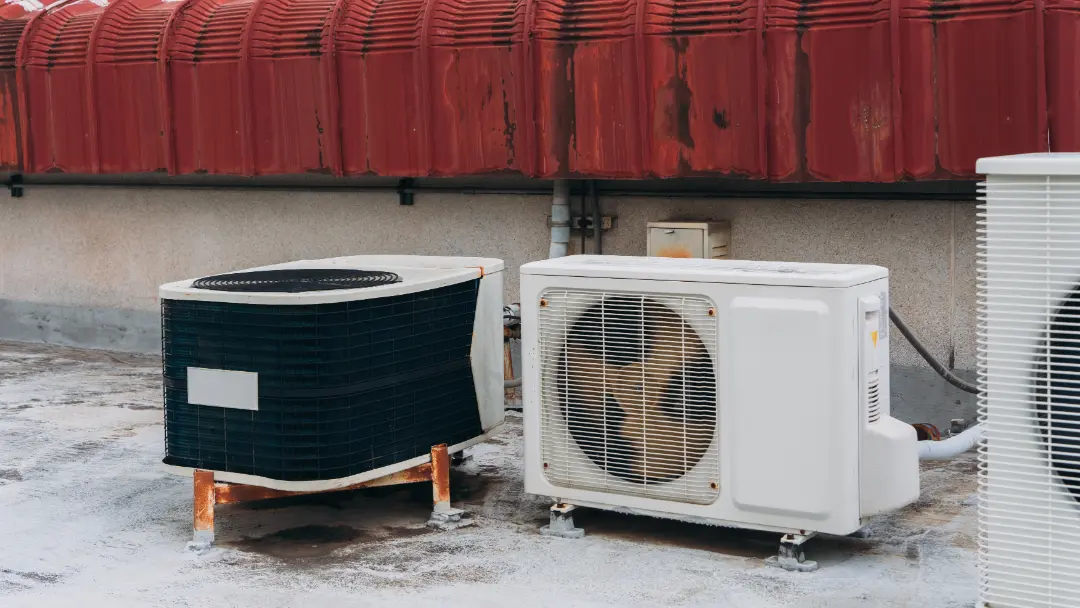
Inspect the outdoor unit for leaves and nests, and keep at least 0.5 metres of clearance around the condenser so airflow isn’t restricted. If you find corroded wiring, refrigerant stains, or unusual compressor noises, stop and book a professional inspection to avoid safety risks and costly damage.
How Often Should You Replace or Clean Air Filters in Winter?
Filters have a big impact on airflow and heating efficiency, so check them monthly in winter and clean or replace them whenever they look dirty or airflow drops. Washable filters should be rinsed and fully air-dried before going back in; disposable filters should follow the manufacturer’s schedule, but will need more frequent replacement in homes with pets or heavy dust.
Signs a filter needs attention include more dust on surfaces, weaker airflow, and higher energy bills. Regular filter care keeps indoor air quality better and reduces strain on fans and heat exchangers, and it also supports more effective use of your system controls.
Below is a quick reference showing maintenance items, the action to take, and recommended frequencies for homeowners.
| Component | Maintenance Action | Recommended Frequency |
|---|---|---|
| Indoor air filter | Inspect, clean, or replace | Monthly during winter |
| Outdoor unit (condenser) | Clear debris and vegetation | Monthly and after storms |
| Drain line | Flush and clear blockages | Every 3 months or if slow-draining |
This simple checklist keeps routine tasks manageable. Next, we look at thermostat settings that can further improve winter heating efficiency.
How Can You Optimise Reverse-Cycle Air Conditioner Settings for Winter Heating?
Optimising a reverse-cycle system is about balancing comfort with energy use: pick a steady target temperature, use timers, and use ‘Auto’ mode where it helps. A consistent, moderate setpoint wastes less energy than wide temperature swings, while timers let you warm rooms only when needed.
Smart thermostats and zoning reduce unnecessary runtime by heating occupied areas, which can save noticeably across Sydney’s cool mornings and milder afternoons. The sections that follow give temperature guidance and practical scheduling examples to make these tips easy to apply at home.
What Is the Best Temperature Setting for Winter Heating with Air Conditioning?
We recommend a comfortable, energy-aware range of about 18–20°C in living areas, which balances warmth and lower energy use. Every degree higher increases consumption, so rely on layers and short, localised heating rather than a high constant setpoint.
For households with older adults or young children, add 1–2°C for safety and comfort, but use timers to avoid continuous high settings. Pair these settings with good curtains and insulation to keep heat where you want it.
The table below compares common settings and their practical benefits to help you choose quickly.
| Setting/Feature | Recommended Use | Benefit (Comfort/Energy Saving) |
|---|---|---|
| 18–20°C setpoint | General daily use | Comfortable with lower energy use |
| Auto mode | Variable outside temperatures | Reduces unnecessary compressor cycling |
| Timers/schedules | Pre‑heat before occupancy | Limits runtime, lowers bills |
Using these settings thoughtfully helps cut waste. The next section explains how timers and ‘Auto’ mode save runtime and costs.
How Do Timers and ‘Auto’ Mode Save Energy in Winter?
Timers let you preheat rooms just before you need them and switch the system off when rooms are empty, trimming total runtime without losing comfort. ‘Auto’ mode adjusts fan speed and mode changes to hold the temperature with fewer manual tweaks and often reduces short cycling that wastes energy.
Practical routines include a 30–60 minute morning preheat and a short evening boost rather than running the system constantly. Combine this with zoning or a smart thermostat, and you’ll see real savings while staying comfortable through Sydney’s cooler mornings and milder afternoons.
Should You Cover Your Outdoor Air Conditioning Unit in Winter?
A cover can stop leaves and debris from getting into the condenser, but non-breathable covers can trap moisture and speed up corrosion or mold. In Sydney’s temperate winter, a breathable, well-fitted cover used only during long idle periods is safer than a full-season plastic wrap.
In many cases, regular site maintenance, clearing leaves, trimming plants, and keeping the unit mounted securely, gives better protection without causing condensation problems. The next sections run through the pros and cons and safe debris-clearing steps you can take.
What Are the Pros and Cons of Using an AC Cover in Winter?
A cover helps prevent leaf and branch build-up, but avoid non-breathable plastics that trap moisture and encourage corrosion or mold on coils.
For Sydney conditions, choose a breathable cover and only use it when the system will be unused for an extended period; always remove covers before restarting the unit. Alternatively, a light mesh screen or a partial top cover combined with regular inspections can offer protection without the downsides. Below are short rules to help you decide.
- Use the pros and cons above to decide whether a cover suits your location.
- Choose breathable materials and remove the cover before reusing the system.
- Prefer regular site clearance and checks over year‑round covering.
These simple rules make the right cover decision practical and safe. The next subsection gives step-by-step debris-clearing guidance.
How Do You Clear Debris and Protect Your Outdoor Unit from Winter Elements?
Start by switching the unit off, then remove loose leaves and twigs by hand and gently brush fins with a soft brush, avoiding bending the fins. Keep at least 0.5 metres of clearance around the unit and trim plants that funnel moisture or litter toward the condenser.
After clearing, check for pest nests and make sure the unit sits level on its pad; if you see pooling water, rust, or damaged fins, book a professional inspection. Regular, small-scale clearing preserves efficiency and reduces the chance of refrigeration or electrical faults in colder weather.
When Should You Call a Professional for Winter AC Service or Repair in Sydney?
Call a licensed Aircon Repairer and Installer if you see signs of mechanical or refrigerant faults, any safety risks, or if routine checks reveal problems beyond simple cleaning. Professional winter checks find low refrigerant, electrical faults, blocked drains, and compressor stress, issues that DIY steps shouldn’t try to fix.
Technicians also test system performance and can recommend a smart thermostat or zoning upgrades to improve heating efficiency. Below, we map symptoms to likely causes and suggested actions so you can triage quickly and decide when to call a specialist.
What Are the Signs Your AC Needs Winter Repair or Maintenance?
Watch for these warning signs: the unit isn’t delivering hot air, the compressor or motors make loud or unusual noises, indoor airflow is weak, the system emits odd odours, or your energy bills suddenly spike.
Do simple checks first, confirm power to the unit, check filters and breakers, but if problems persist, the causes may include refrigerant leaks, failed fans, or electrical faults that need a licensed technician. When serious signs appear, book an inspection rather than running a stressed system.
- Those symptoms indicate escalating urgency.
- Do basic safety checks first, then call a pro if the issue remains.
- Act early to reduce the risk of emergency breakdowns in cold weather.
What Are the Benefits of Professional HVAC Winter Check-ups?
A professional winter tune-up restores system efficiency, identifies wear before it fails, and can extend the life of your equipment by checking refrigerant levels, electrical safety, and component condition.
Certified technicians offer calibrated performance tests, drain clearing, coil cleaning, and safe electrical inspections, work that helps protect warranties and reduces the chance of emergency repairs during cold spells.
Local providers with fast response times and brand-specific expertise are especially helpful if urgent faults occur. If you’d rather leave maintenance to a pro, book a winter check with a licensed Sydney HVAC specialist to secure reliable heating all season.
| Symptom | Likely Cause | Recommended Action |
|---|---|---|
| No hot air | Refrigerant leak or compressor fault | Call a licensed technician |
| Weak airflow | Clogged filter or failing fan motor | Clean/replace filter; call pro if persists |
| Strange noises | Loose components or motor issues | Stop use and arrange inspection |
A professional inspection turns these symptom checks into a clear service plan. If you prefer expert handling, contact a licensed local provider for HVAC maintenance or emergency winter AC repair.
| Service Component | What Technician Does | Benefit |
|---|---|---|
| Coil and condenser clean | Remove dirt, test performance | Restores efficiency |
| Electrical and safety checks | Inspect wiring and controls | Reduces fire/failure risk |
| Refrigerant test | Check pressure and top‑up if licensed | Ensures adequate heating output |
These service tasks show why a winter tune-up is a cost-effective step before the coldest months. When you’re ready to book, contact a licensed Sydney HVAC specialist for maintenance, cleaning, or emergency repairs.
- Professional checks reduce unexpected winter breakdowns.
- Technicians perform safety tests and brand‑specific servicing.
- Arrange a winter tune‑up early in the season to lock in reliability and efficiency.
Frequently Asked Questions
How Can I Improve Indoor Air Quality During Winter with My Air Conditioning System?
Keep filters clean or replaced monthly to stop dust and allergens from circulating. Consider adding a standalone air purifier for extra filtration, and ventilate briefly by opening windows now and then, even in winter. If indoor air feels dry, a humidifier can help reduce irritation and make rooms feel warmer without raising the thermostat.
What Should I Do if My Air Conditioner Is Making Strange Noises During Winter?
Unusual noises often point to mechanical wear or debris. Turn the system off to avoid further damage and check for obvious obstructions. If the sound continues after basic checks, contact a licensed technician; noises like grinding, squealing, or rattling usually need professional attention.
Can I Perform Maintenance on My Air Conditioning System if I Have No Prior Experience?
Yes, basic tasks like cleaning filters and clearing debris are safe for most homeowners. But don’t attempt electrical work, sealed‑panel repairs, or refrigerant handling; those need a licensed technician. When in doubt, book a professional check to avoid safety risks or accidental damage.
How Can I Tell if My Air Conditioning System Is Energy Efficient?
Check the unit’s EER or SEER rating; higher numbers mean better efficiency, and watch your energy bills for sudden increases. Regular maintenance (clean coils, clear filters) also keeps efficiency high. If the system is older or using more power for the same comfort, consider upgrading to a newer, more efficient model.
Keep Your Winter Heating Reliable
A little winter prep goes a long way. If you clean or replace filters, clear space around the outdoor unit, use steady 18–20°C setpoints with timers, and avoid suffocating the condenser with heavy covers, your reverse-cycle system will usually heat reliably without wasting power. Stay alert to warning signs like weak airflow, strange noises, no hot air, odd smells, or sudden bill spikes, and stop at basic checks if you’re unsure.
From there, let a licensed Sydney HVAC technician handle refrigerant issues, electrical faults, and deeper cleaning. Combining simple DIY care with a professional winter check-up gives you the best odds of quiet operation, lower running costs, and fewer breakdowns when you actually need the heating.