Misconceptions about your HVAC air filter can lead to higher energy bills, compromised indoor air quality, and premature wear on your system in Sydney. This guide cuts through the confusion, debunking persistent myths, from “all filters are the same” to “price alone signals quality.”
You’ll discover how MERV ratings work, why regular replacement matters, and when a premium or reusable filter makes sense. We’ll also show you how Smartway Airconditioning, with 30 years’ experience, certified technicians, and 24-hour service, can help you select, inspect, and replace filters to maximise comfort, efficiency, and reliability.
By the end, you’ll have practical advice for choosing the right filter, spotting when it needs changing, and scheduling professional service suited to Sydney’s climate and air quality.
Common HVAC Air Filter Myths for Sydney Residents
HVAC air filter myths often stem from oversimplified or outdated advice. Believing them can impact system efficiency, indoor air quality, and energy costs. Here are five common, but inaccurate, beliefs:
- All HVAC air filters offer the same level of filtration and airflow.
- A higher MERV rating always guarantees better overall performance.
- The most expensive filter is automatically the best-performing.
- Changing your filter just once a year is sufficient for every home.
- Dirty filters only affect airflow and don’t cause actual system damage.
Each myth has real consequences, from reduced particle capture to higher electricity costs and unnecessary strain. Understanding these misconceptions is the first step towards informed choices, proper maintenance, and getting the professional support you need to keep your system running at its best.
HVAC Air Filter Differences
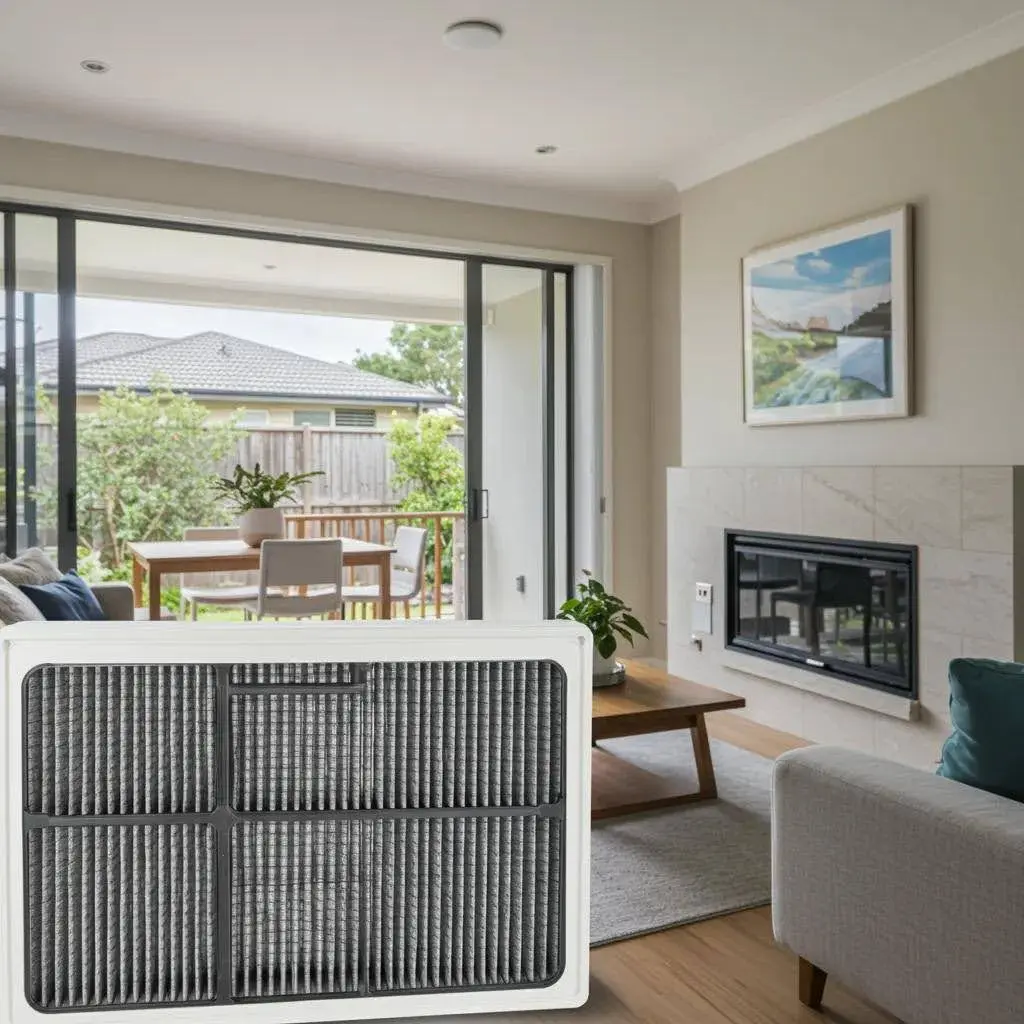
Absolutely not. HVAC air filters differ in materials, design, and how they capture particles. Pleated filters use densely folded media to trap more contaminants, while basic fibreglass pads capture larger debris with looser fibres. Electrostatic filters attract dust with a static charge, and HEPA filters meet rigorous standards for very fine particles.
This variety means your filter choice should suit your HVAC unit and indoor air quality goals. The construction of a filter directly affects airflow resistance and lifespan. For example, a MERV 11 pleated synthetic filter can last up to 90 days in a low-dust environment, whereas a simple fibreglass panel may need changing monthly.
Recognising these differences helps prevent airflow restriction and keeps your HVAC system efficient while removing pollutants.
Higher MERV Ratings and Performance
Not necessarily. While the Minimum Efficiency Reporting Value (MERV) indicates a filter’s ability to capture particles from 0.3 to 10 microns, a higher number isn’t always best.
A MERV 16 or HEPA filter, for example, captures pollen, mould spores, and bacteria, but can severely restrict airflow in many residential systems. Insufficient airflow forces components to work harder, increasing energy use and wear.
Optimal performance requires balancing filtration efficiency with your system’s airflow capacity. Most Sydney homes see strong results with MERV 8 to 13 filters.
They capture common allergens and dust without undue stress on ductwork or fan motors. Consulting our certified HVAC professionals helps you choose a MERV rating that meets your air quality needs and airflow capabilities.
Expensive Air Filters and Performance
Price alone doesn’t guarantee superior filtration or durability. While costly filters may add advanced media layers, antimicrobial treatments, or reinforced frames, they help only if your HVAC unit and environment require them. Conversely, a mid-priced pleated filter can outperform a pricier basic HEPA filter when airflow resistance and replacement frequency are considered.
Performance hinges on material quality, MERV rating, and how well the filter seals in your unit. A poorly sealed budget filter allows bypass, reducing effectiveness. A precisely sized premium filter can improve indoor air quality. Evaluate cost versus benefit by weighing long-term energy use, maintenance schedules, and contaminant reduction, not just the purchase price.
Annual Air Filter Replacement Frequency
Replacing your filter once a year ignores factors like household size, local pollution, and runtime. Homes with high traffic, pets, or allergies may need changes every one to three months. Even in lighter-use homes, quarterly replacements are often more appropriate.
Relying on annual service can leave filters clogged for long periods, hindering performance. Neglecting timely replacement leads to restricted airflow, higher energy bills, and accelerated wear on your system’s components.
Integrating filter checks into Smartway Airconditioning’s preventive maintenance service establishes a customised schedule based on your home’s specific needs, ensuring balanced airflow, improved indoor air quality, and extended system longevity.
Dirty Air Filters and HVAC System Damage
Yes, they can. Accumulated debris restricts airflow and forces the blower motor and heat exchanger to work under strain. This added workload can increase energy consumption and accelerate wear on moving parts.
Fine dust on cooling coils also impedes heat transfer, leading to inefficient cooling or even frozen evaporator fins. Over time, consistent neglect of your air filter increases the risk of compressor failure, contamination within your ductwork, and costly repairs.
Regular inspections by Smartway Airconditioning’s certified HVAC technicians can identify early signs of clogging, allowing for prompt filter replacement and cleaning. This proactive approach protects your investment and maintains your year-round comfort.
Understanding MERV Ratings: Impact on Your HVAC and Sydney Air Quality
MERV, or Minimum Efficiency Reporting Value, measures how effectively a filter captures airborne particles from 0.3 to 10 microns under specific test conditions. While higher MERV means finer filtration, it typically increases airflow resistance.
Balance the filter’s MERV with your system’s fan capacity to ensure clean air and efficient operation, especially in Sydney’s climate. Systems designed for MERV 8 filters can experience significant pressure drops when fitted with denser MERV 13 media. This compromises airflow and energy efficiency.
Consulting Smartway Airconditioning’s experts helps you select a MERV rating that matches your equipment and air quality objectives, preventing performance penalties while effectively capturing allergens, dust, and bacteria.
Ideal MERV Rating for Sydney Homes and Businesses
For most Sydney homes and light commercial properties, MERV 8 to 13 offers the best balance. MERV 8 filters remove common dust, pet dander, and allergens while keeping resistance low. For more severe allergies, MERV 11 to 13 captures finer particles like pollen and mould spores without overly taxing most standard ducted systems.
Smartway Airconditioning’s certified HVAC professionals can assess your system’s static pressure and usage patterns to recommend an appropriate MERV rating. This personalised approach helps avoid energy penalties and ensures indoor air quality that aligns with local conditions and your lifestyle.
Filter Types and MERV Rating Correlation
Choosing the right filter media involves understanding its material, typical MERV range, and intended application. The table below compares common filter types with their usual MERV ratings and key benefits:
| Filter Type | Typical MERV Range | Core Benefit |
|---|---|---|
| Fiberglass Pad | 1–4 | Basic protection against larger debris |
| Pleated Synthetic | 8–11 | Good balance of filtration and airflow |
| Washable Electrostatic | 6–10 | Reusable, uses static charge for filtration |
Each filter’s construction and the materials used determine both its particle capture efficiency and its resistance to airflow. Understanding these relationships is vital for selecting a solution that aligns with your system’s capabilities and your indoor air quality objectives.
HVAC Air Filter Replacement Frequency
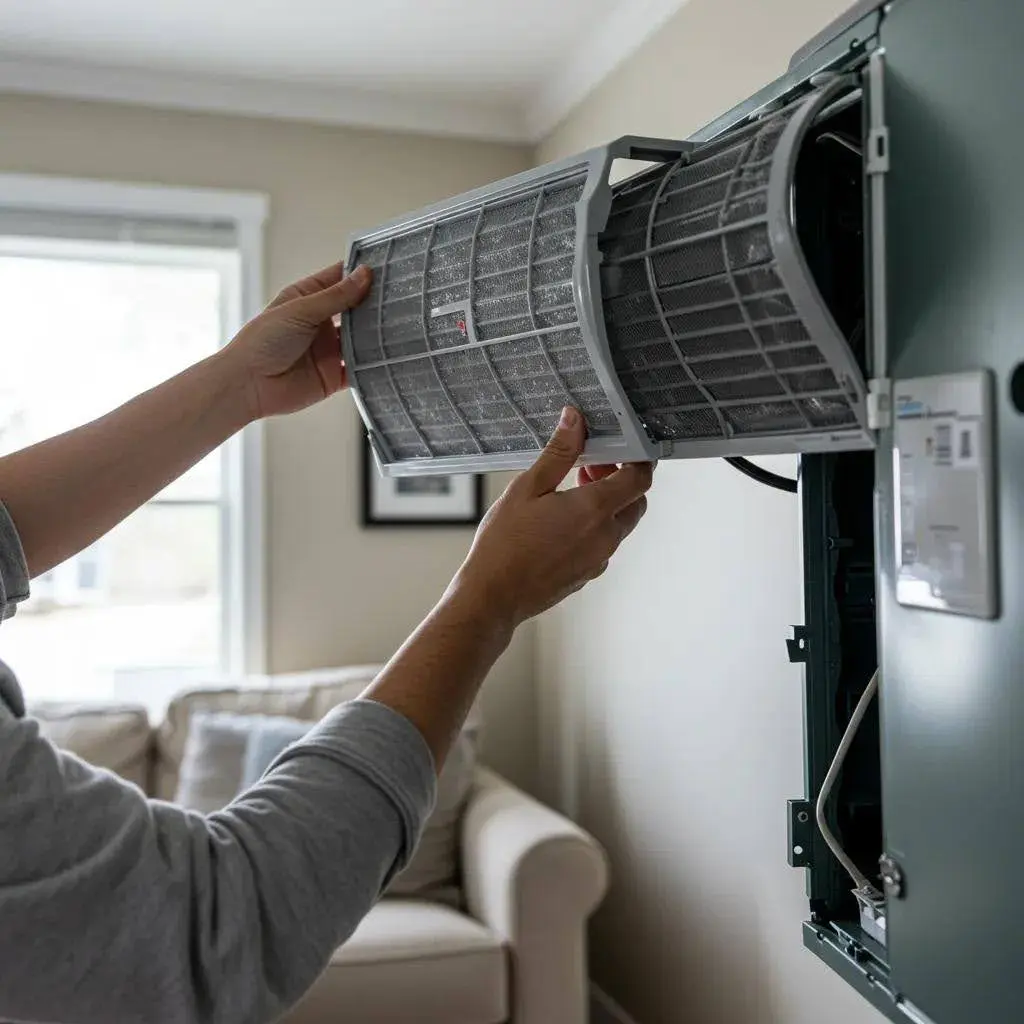
The ideal frequency for replacing your air filter depends on several factors: your household’s conditions, your HVAC equipment’s design, and the local air quality in Sydney.
Regular changes are essential to prevent restricted airflow, maintain contaminant capture effectiveness, and keep energy costs down. While some manufacturers suggest quarterly changes, optimising your replacement schedule maximises both your system’s lifespan and your family’s health.
Factors Influencing Air Filter Replacement Frequency
Several variables play a role in determining the best replacement intervals for your filter:
- Occupant Sensitivity: Homes with allergy sufferers or very young children often need more frequent changes to manage airborne allergens.
- Pet Ownership: Homes with pets, especially shedders, see filters load with hair and dander faster, necessitating more frequent changes.
- Local Pollution Levels: If you live in urban Sydney areas near major roads or industrial zones, your home will likely experience higher levels of airborne particulate matter.
- System Runtime: Air conditioners that run year-round, both for cooling in summer and heating during mild winters, place a greater and more continuous demand on the air filter.
By carefully considering each of these factors, you can establish a customised maintenance schedule that prevents filter clogging, sustains excellent air quality, and ensures your system performs optimally.
Signs of a Dirty or Clogged Air Filter
Catching filter blockage early is crucial for protecting your HVAC components and preventing energy waste. Keep an eye out for these common indicators:
- Noticeably weaker airflow coming from your vents.
- A significant increase in your energy bills, even if your usage hasn’t changed.
- Your system is cycling on and off more frequently than usual, or the fan seems to be running constantly.
- Visible dust streaks are appearing on your supply registers.
Recognising these symptoms should prompt an immediate filter inspection or professional assessment. This helps your HVAC system operate at peak efficiency.
Impact of Replacement Frequency on Energy Bills and System Longevity
Changing your air filter regularly can reduce energy consumption by maintaining unobstructed airflow and efficient heat exchange. Clean filters also decrease compressor workload, leading to less wear and fewer repairs. Conversely, neglected filters force the system to draw more power and raise the risk of component failure, potentially shortening lifespan.
Incorporating filter replacements into Smartway Airconditioning’s comprehensive maintenance packages ensures timely swaps aligned with your usage patterns. This strategy helps distribute costs, maximises energy savings, and preserves your system’s health over the long term.
Smartway Airconditioning’s Recommendations for Sydney Customers
Smartway Airconditioning suggests inspecting air filters every three months for typical Sydney homes. For households with pets or higher traffic, we recommend monthly checks.
Our certified technicians will assess your system’s static pressure, recommend the most suitable MERV rating, and replace the filter as part of our thorough maintenance visits. With 30 years of dedicated aircon repair in Sydney, Smartway ensures your filters are always in optimal condition, protecting your system’s efficiency and your indoor comfort.
Premium Air Filters: Investment Value for Sydney Homes
Premium filters often include reinforced frames, antimicrobial coatings, and advanced multi-layer media for finer particulates. Their value is realised only when those attributes match your HVAC design and air quality needs. Evaluating long-term energy use and maintenance intervals gives a clearer cost–benefit than the initial price tag alone.
Performance Comparison: Budget vs. Premium Filters
Comparing entry-level and high-end filters reveals distinct advantages and potential trade-offs:
| Filter Category | Approximate Price | MERV Rating | Key Advantage | Primary Limitation |
|---|---|---|---|---|
| Basic Fiberglass | Low | 1–4 | Very low airflow resistance | Limited particle capture capability |
| Mid-Range Pleated | Moderate | 8–11 | Good balance of filtration and cost-effectiveness | The frame might lack superior rigidity |
Pros and Cons of Washable vs. Disposable Filters
Washable electrostatic filters can offer long-term cost savings and reduce waste, but they demand diligent cleaning and must be completely dry before reinstallation.
Over time, their fibres can degrade, potentially reducing efficiency and allowing microscopic particles to bypass the media. In contrast, disposable pleated filters consistently deliver reliable performance but incur ongoing replacement costs and contribute to waste.
Choosing the Best Filter for Your HVAC System and Budget
Selecting the optimal filter involves a few key considerations:
- Review your HVAC system’s recommended MERV range.
- Assess your specific indoor air quality goals (e.g., allergy relief versus basic dust control).
- Compare the total lifecycle costs, including purchase price and potential energy impacts.
- Consider the maintenance commitment required for reusable filter options.
Partnering with Smartway Airconditioning ensures an expert evaluation of your duct design, static pressure, and usage patterns. This leads to filter choices that effectively balance cost, performance, and convenience for your Sydney home.
Smartway Airconditioning’s Assistance with Filter Selection
Our technicians assess your system and recommend the right filter based on your unit and air quality goals. We work with a variety of options and advise on what best fits your system. Smartway can match filter characteristics to your system’s capabilities and your priorities.
This hands-on approach removes guesswork and delivers measurable improvements in air quality and energy efficiency.
The Impact of HVAC Air Filters on Energy Efficiency and Indoor Air Quality
Air filters play a dual role: protecting HVAC components and removing airborne contaminants. A clean filter allows unobstructed airflow and efficient heat transfer, reducing energy use and utility bills. Proper filtration also captures allergens, dust, and pollutants that affect comfort and health. Balancing these functions is essential for reliable, cost-effective climate control in Sydney.
Dirty Filters and Increased Energy Consumption
Absolutely. A clogged air filter forces the blower motor to work harder to maintain airflow. This strain can raise power consumption and shorten motor life, leading to temperature fluctuations. Regular filter maintenance prevents these inefficiencies and helps your system operate efficiently.
Filters and Indoor Air Quality Improvement Beyond Dust Removal
Beyond trapping visible dust, quality air filters capture microscopic allergens such as pet dander, mould spores, and pollen. Certain electrostatic and high-MERV media can also capture bacteria- and virus-sized particles, potentially reducing airborne transmission.
While standard filters don’t remove gases or odours, pairing advanced media with activated carbon panels can target volatile organic compounds (VOCs), useful in higher-pollution areas.
Common Myths About Filters and Air Purifiers
A frequent misconception is that a standalone air purifier can replace HVAC filtration. Portable units typically cover one room and lack the airflow of a central system. Conversely, relying on HVAC filters alone overlooks the benefits of targeted purification. The most effective approach often integrates both for whole-home reduction of particulates, gases, and odours.
Proper Filter Maintenance and HVAC System Reliability
Consistent filter changes are vital for preventing particulate buildup on critical components like coils, fans, and heat exchangers. This buildup can lead to corrosion and increased mechanical wear.
Proactive maintenance through regular filter replacement significantly extends the lifespan of your compressors and motors, reducing the frequency of repairs and minimising unplanned downtime. Through scheduled inspections and timely replacements, Smartway Airconditioning safeguards your system’s reliability and maintains optimal performance all year round.
Choosing the Right HVAC Air Filter for Your Sydney Home or Business
Selecting the ideal air filter involves considering your local climate, household occupancy, HVAC system design, and specific air quality priorities. Sydney’s coastal humidity and seasonal pollen surges require filter media that can effectively balance moisture resistance, airflow, and fine particle capture.
Understanding these unique factors and consulting with professionals ensures you receive a tailored solution that meets both environmental challenges and your comfort expectations.
Balancing Filtration Efficiency with Airflow Needs
Achieving the right balance between filtration efficiency and airflow requires carefully matching the filter media to your HVAC system’s specific static pressure tolerance. Choosing a MERV rating that is too high can lead to excessive pressure drop, while a rating that is too low may allow contaminants to bypass the filter.
Smartway Airconditioning technicians utilise specialised diagnostic tools to measure inlet and outlet pressures, enabling them to select media that optimise both filtration performance and volumetric airflow for stable indoor conditions.
Consulting a Professional for Filter Selection and Installation
While most homeowners can confidently swap out standard disposable filters, any system upgrades, changes to MERV ratings, or installations of reusable media warrant professional guidance.
Certified technicians can accurately assess duct sizing, blower motor capacity, and seasonal load requirements to prevent airflow restrictions and ensure your system remains under warranty. Consulting a professional early in the process can avoid costly modifications and ensure your filter choices align with long-term performance goals.
Top Frequently Asked Questions About HVAC Air Filters Answered
This section provides clear answers to common questions about MERV ratings, replacement schedules, energy impacts, filter compatibility, and reusable options. Each response offers essential definitions, mechanisms, and key benefits to help you make informed decisions about HVAC filter maintenance and selection.
Higher MERV Ratings and HVAC System Suitability
No, not necessarily. While higher MERV ratings capture finer particles, they can also restrict airflow in systems not specifically designed for such dense media. Selecting a MERV rating that aligns with your system’s blower capacity is crucial to prevent efficiency loss and potential mechanical strain, ensuring both clean air and reliable operation.
Air Filter Change Frequency for Homes with Pets or Allergies
Homes with pets or allergy sufferers typically need filter changes every one to two months. This schedule helps control dander and allergens, prevents clogging, and maintains capture efficiency to reduce symptoms and protect system efficiency.
Air Filters and Their Impact on Energy Costs
No. Filters with higher MERV ratings or thicker media generally increase resistance, raising fan energy use. Conversely, basic fibreglass filters offer minimal pressure drop but limited filtration. Balancing media density with system capability is key to optimising energy consumption and indoor air quality.
Damage to HVAC Systems from Incorrect Filter Types
Yes, it can. Filters with excessive resistance can strain the blower motor, potentially cause heat-exchanger freeze-ups, or lead to compressor short-cycling. Using filters with incorrect dimensions can also allow air to bypass the media, undermining efficiency and potentially contaminating internal components.
Washable Air Filters as an Alternative to Disposable Ones
Washable electrostatic filters can offer long-term cost savings and reduce waste, but they require consistent cleaning and proper drying to maintain their efficiency. Disposable pleated filters, on the other hand, provide reliable, consistent performance with minimal upkeep, making them a highly convenient choice for many busy households.
Making informed filter choices, adhering to timely maintenance schedules, and leveraging expert support are the cornerstones of efficient, reliable HVAC maintenance performance in Sydney’s diverse environments.
By debunking common myths and utilising Smartway Airconditioning’s 30 years of expertise, certified technicians, and 24-hour service, homeowners and businesses can achieve cleaner air, lower energy bills, and an extended system lifespan. Prioritise your filter care and schedule your professional inspection today.