Choosing between repairing and replacing an air conditioner is not always simple. Key factors in this decision include repair expenses, common warning signs, and energy efficiency.
Many residents struggle with whether to keep fixing an older unit or invest in a replacement. We cover signs your AC needs repair, repair vs replacement costs, how efficiency affects long-term savings, and maintenance tips that can extend lifespan and reduce breakdown risk over time.
What Are The Key Signs You Should Repair Your Air Conditioner?
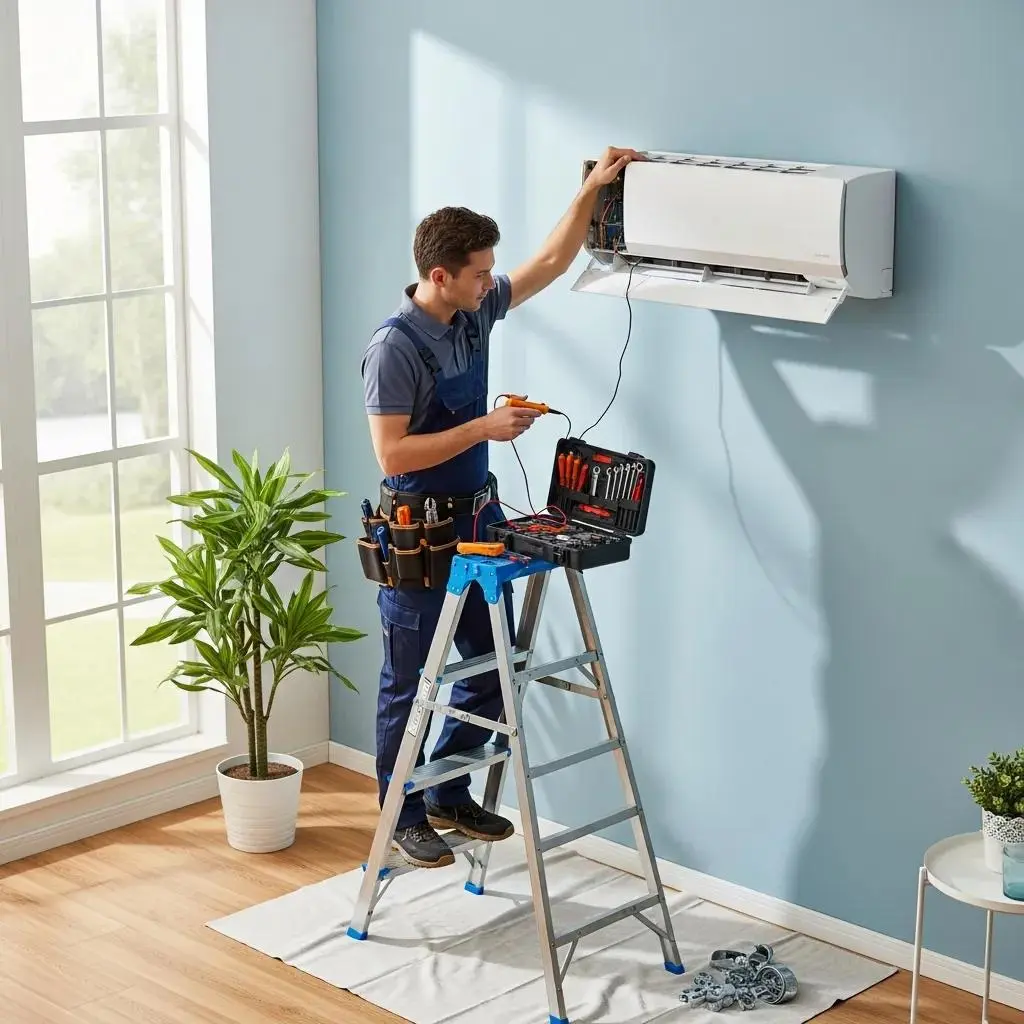
Identifying when to repair your air conditioner is crucial for maintaining home comfort and efficiency. Common signs that indicate your unit may need repairs include unusual noises, inconsistent cooling, and increased energy bills. Recognizing these signs early can prevent further damage and costly repairs down the line.
Common Ac Issues That Indicate Repair Needs
Several common issues can signal that your air conditioner requires repair. These include:
Leaking Refrigerant: If you notice a refrigerant leak, it can lead to reduced cooling efficiency and increased energy costs.
Faulty Thermostat: A malfunctioning thermostat can cause inconsistent temperatures, making it difficult to maintain a comfortable environment.
Dirty Air Filters: Clogged filters can restrict airflow, leading to strain on the system and higher energy consumption.
Frozen Evaporator Coils: Frozen coils can reduce cooling performance and may signal airflow problems or low refrigerant levels.
Unusual Noises: Grinding, banging, or squealing sounds can indicate loose or worn-out internal components that need attention.
Repair Vs Replacement For An Ac Unit
When faced with the decision to repair or replace an air conditioner, professionals consider several factors. Key indicators include:
- Age of the Unit: Older units may be less efficient and more prone to breakdowns, making replacement a more viable option.
- Energy Bills: A significant increase in energy costs can indicate that your unit is struggling to operate efficiently, suggesting a need for replacement.
- Cooling Performance: If your air conditioner is unable to maintain desired temperatures, it may be time to consider a new unit.
- Frequent Repairs: If repair calls are becoming more common, replacement may be more cost-effective than repeated fixes.
- Strange Noises or Odors: Persistent, unusual sounds or bad smells can signal major internal problems that may justify replacement.
How Does Air Conditioner Repair Cost Compare To Replacement?
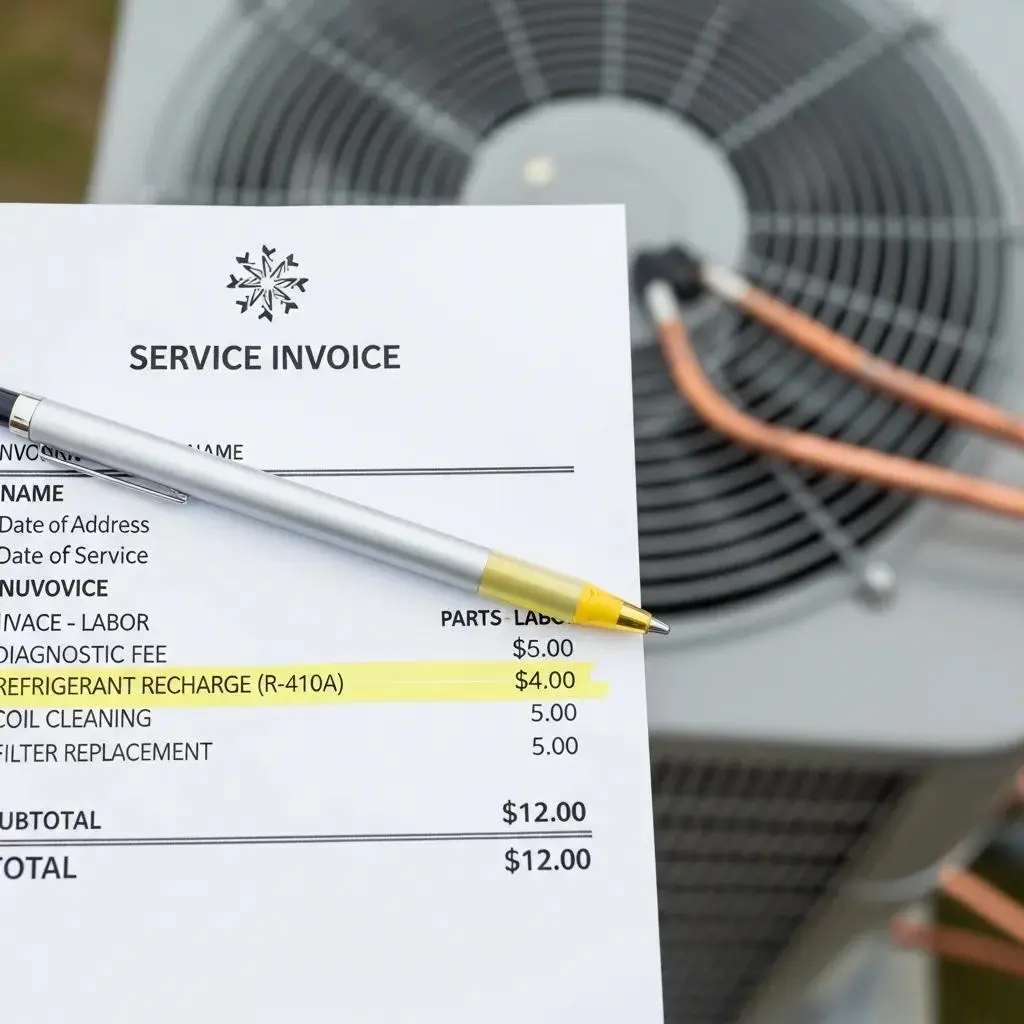
Comparing the costs of repairing versus replacing an air conditioner is essential for you. Repair costs can vary significantly based on the issue at hand, while replacement costs often include the price of a new unit and installation.
Average Ac Repair Costs In Sydney
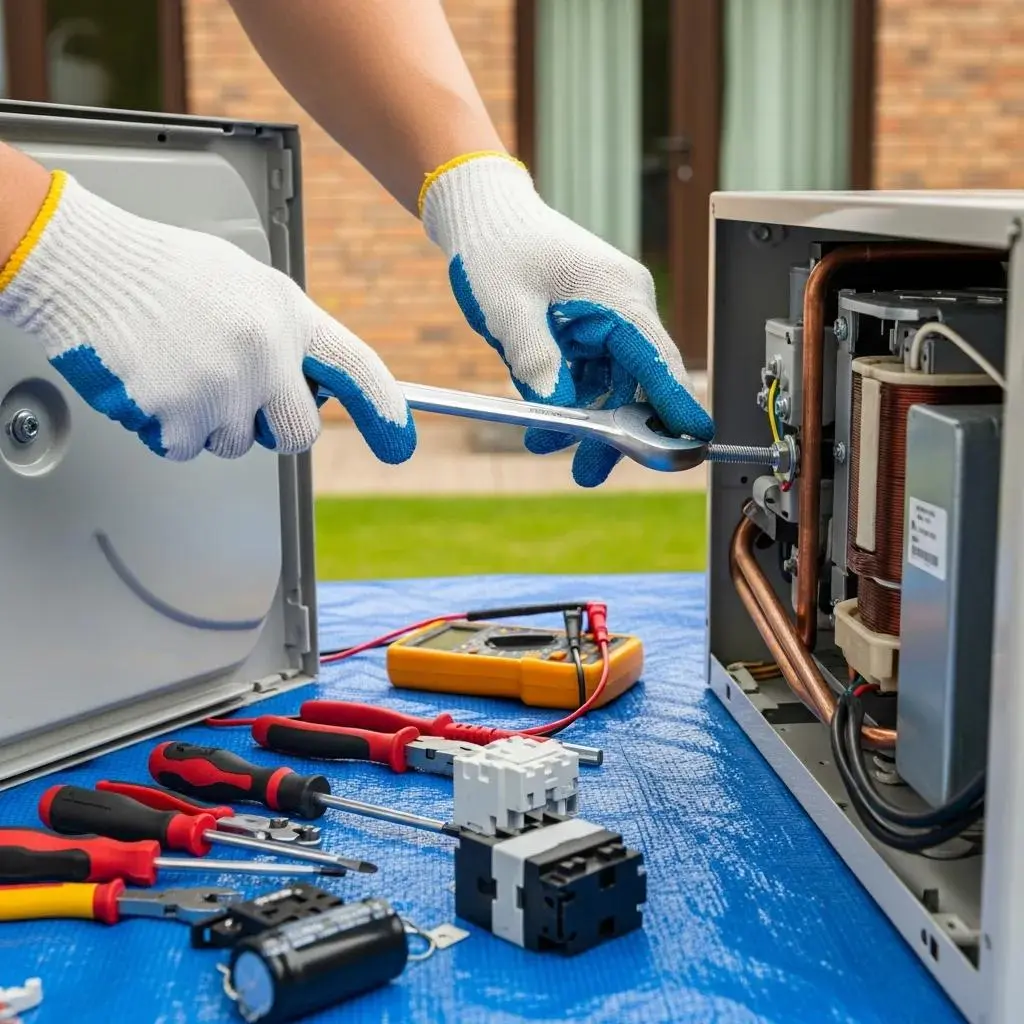
In Sydney, typical air conditioner repair costs can vary depending on the complexity of the issue. Factors influencing these costs include:
- Type of Repair: Simple repairs, such as replacing a capacitor, may cost less than more complex issues like compressor replacement.
- Labor Costs: The cost of labor can vary based on the technician’s experience and the time required for the repair.
- Parts Availability: The availability of replacement parts can also affect the overall cost of repairs.
- Unit Brand and Model: Some brands or models may require specialized parts or servicing, which can increase repair costs.
- Urgency of Service: Emergency or after-hours repairs may cost more than standard scheduled service visits.
Comparing Repair And Replacement Costs
To effectively evaluate whether to repair or replace your air conditioner, consider the following guidelines:
- Weigh the cost of repairs against the potential benefits of a new unit, including energy savings and improved performance.
- Consider the long-term savings associated with energy-efficient models, which can offset the initial investment in a new unit.
- A new unit may come with warranty protection that can reduce future repair expenses.
- Replacing an older system can improve cooling consistency and reduce the risk of unexpected breakdowns.
What Impact Does Energy Efficiency Have On Repair Or Replacement Decisions?
Energy efficiency plays a significant role in the decision-making process regarding air conditioner repairs or replacements. Higher efficiency models can lead to substantial savings on energy bills over time.
Cost Benefits Of New Energy-Efficient Ac Models
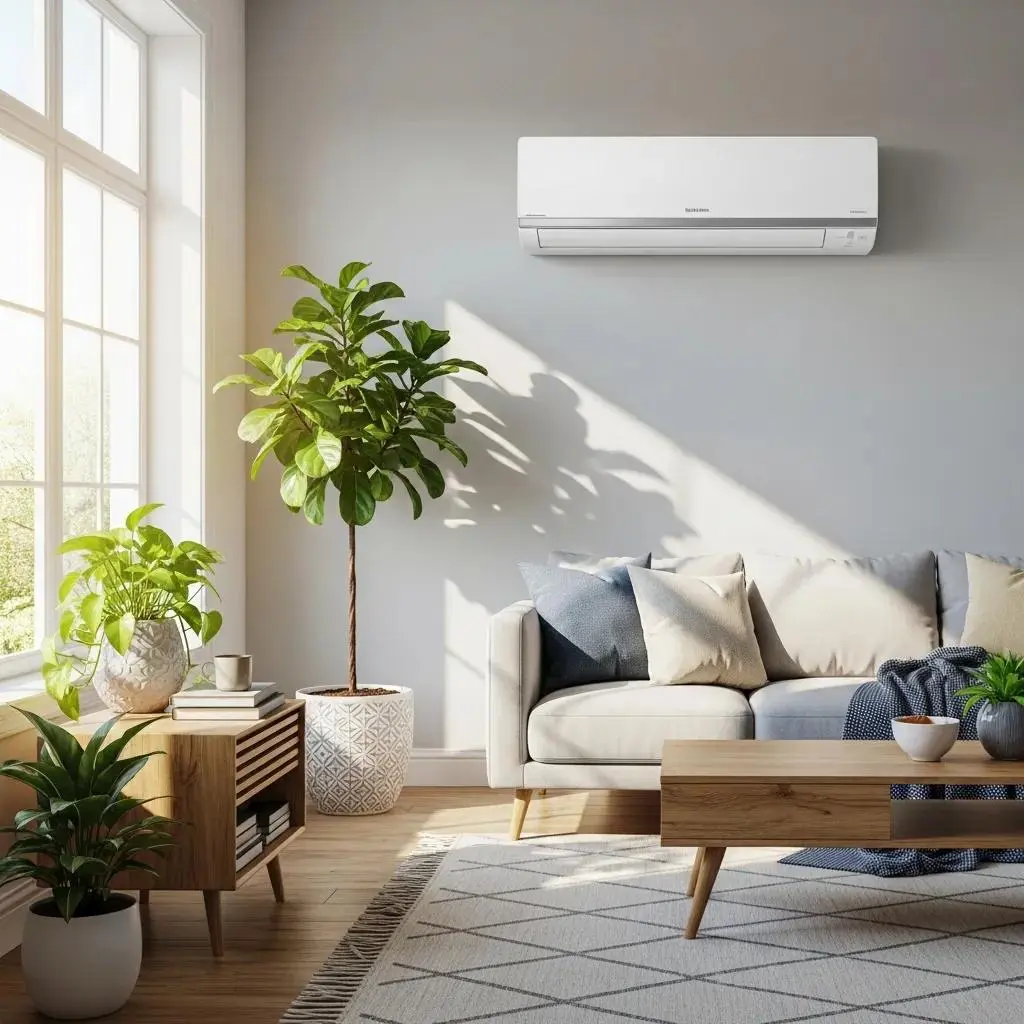
New energy-efficient air conditioning models are designed to use less energy while still delivering effective cooling. They often include advanced technology, such as variable-speed compressors and smart thermostats, which improve overall efficiency and system performance.
As a result, you can often see lower energy bills over time, making these units a cost-effective long-term option. They also offer environmental benefits by reducing energy use and lowering carbon emissions, which supports a more sustainable outcome.
Air Conditioner Energy Efficiency Standards
Energy efficiency standards for air conditioners in Australia require new units to meet minimum energy performance requirements, including Minimum Energy Performance Standards (MEPS). These standards may become stricter over time to improve overall efficiency.
New units must meet minimum efficiency ratings (such as SEER or equivalent measures used in Australia) to support better energy use. You are also encouraged to consider energy efficiency when buying a new system, helping them make informed decisions that benefit both their budget and the environment.
How Can Maintenance Extend Your Air Conditioner’s Lifespan And Affect Repair Worthiness?
Regular maintenance is crucial for extending the lifespan of your air conditioner and ensuring it operates efficiently. Proper care can significantly reduce the likelihood of costly repairs and enhance overall performance.
Preventive Maintenance Tips For Ac Systems
To avoid costly repairs, consider implementing the following maintenance tips:
- Schedule professional maintenance to keep your system running smoothly.
- Replace or clean filters regularly to maintain airflow and efficiency.
- Check for leaks or blockages to support proper airflow in your home.
- Remove dirt, leaves, and debris around the outdoor unit for better performance.
- Use appropriate temperature settings to reduce strain on the system.
Air Conditioner Lifespan Before Replacement
- An air conditioner can usually last for a long time when it is used under normal conditions and receives proper care throughout its service life.
- Systems that run more often, especially during long, hot seasons, may experience faster wear and tear and may not last as long as lightly used units.
- Regular maintenance, including cleaning and inspections, can improve performance and help extend the overall lifespan of the air conditioner.
- Higher-quality air conditioner models are often built with better components, which can support longer-lasting performance and reduce major issues.
- Poor maintenance and delayed repairs can put extra strain on the system, increasing the risk of early breakdowns and premature failure.
Why Trust Smartway Aircon For Ac Decisions?
At Smartway Aircon, we can help you compare repairing and replacing an air conditioner and provide a quote. We will consider key factors that affect performance, reliability, and running costs.
This means you will get advice based on your system’s condition and the work required. With clear guidance and professional support, you can weigh costs, comfort, and long-term reliability to help choose the right option.
What Should You Remember Before Choosing?
Repairing an air conditioner is often worth it when the problem is limited, the unit is still reliable, and the repair cost makes sense. Replacement is usually the better option when the system struggles to cool, breaks down often, or becomes expensive to run.
The best decision comes from comparing short-term repair costs with long-term comfort, efficiency, and dependability. With routine maintenance and expert advice, you can extend system life and reduce expenses.
Frequently Asked Questions
What Factors Should I Consider When Deciding To Repair Or Replace My Air Conditioner?
When deciding whether to repair or replace your air conditioner, consider factors such as the age of the unit, the cost of repairs compared to replacement, and the frequency of breakdowns. If your unit is over 10–15 years old and requires frequent repairs, replacement may be more cost-effective.
How Can I Improve The Energy Efficiency Of My Existing Air Conditioner?
To enhance the energy efficiency of your existing air conditioner, start with regular maintenance, such as cleaning or replacing air filters and ensuring proper airflow. Seal any leaks in ductwork and consider using a programmable thermostat to optimize cooling schedules.
What Are The Environmental Benefits Of Replacing An Old Air Conditioner?
Replacing an old air conditioner with a new, energy-efficient model can help reduce your carbon footprint. Modern units consume less energy, which translates to lower greenhouse gas emissions.
How Often Should I Schedule Maintenance For My Air Conditioner?
Schedule air conditioner maintenance at least once a year, ideally before the cooling season. Regular servicing helps catch problems early and keeps the system running efficiently. A technician can clean parts, check refrigerant, and inspect wear to extend unit life and lower repair costs.