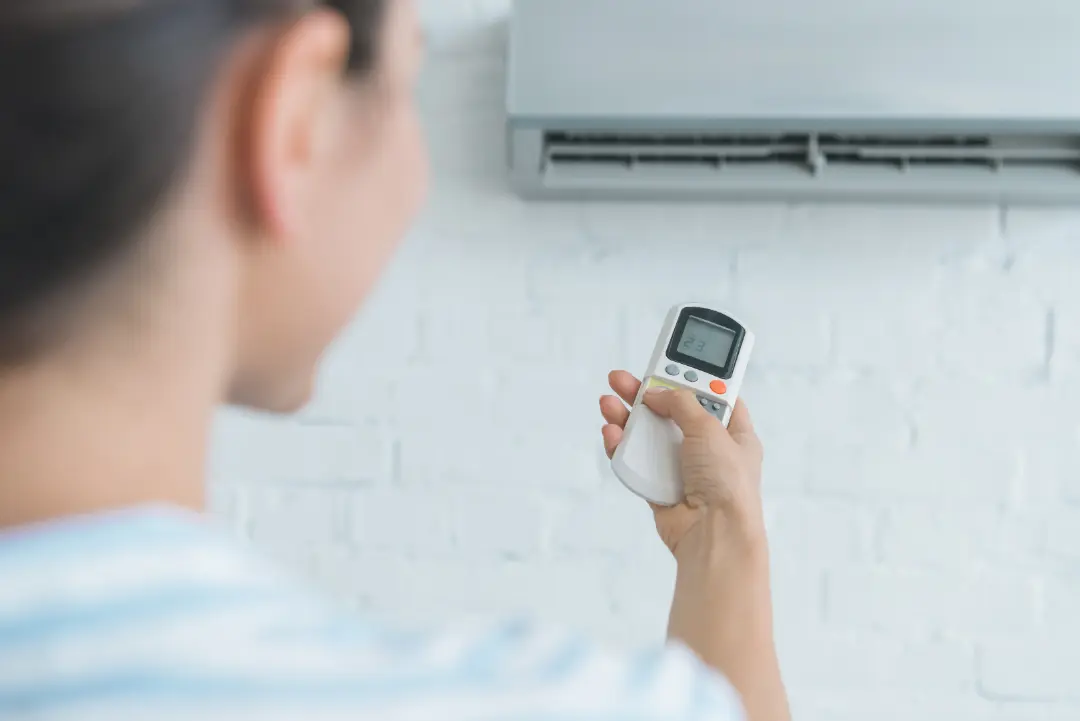
Summer power bills in Sydney don’t have to blow out just because you like a cool house.
With the right thermostat settings, basic system maintenance, and a few changes to how you cool and seal your home, you can stay comfortable while your air-conditioning uses far less energy.
In this guide, we break down ideal temperature ranges, how often to clean filters and book servicing, and which insulation and draught-proofing jobs deliver the biggest savings. You’ll also get simple fan, shading, and night-cooling habits you can start today to cut AC run-time before the next heatwave hits.
What Is the Best AC Temperature to Save Money This Summer?
The right setpoint balances comfort and energy use. A slightly higher thermostat reduces compressor run time and power draw. On average, each degree you raise the temperature cuts cooling load by roughly 3–5%. Small, steady adjustments and consistent schedules also minimise short cycling, which spikes energy use.
Using targeted setbacks when you’re out or asleep increases savings while keeping comfort when you’re home. The next section gives recommended temperatures and easy scheduling tips you can start today.
Ideal Summer AC Temperatures for Energy Efficiency
For occupied living areas, aim for a steady, comfortable target so the system runs efficiently. A practical Sydney range is around 24–26°C when you’re at home, with a higher setback when you’re out. Raising the setpoint a degree or two reduces the compressor’s workload, saving energy and lowering wear.
Make changes gradually, try one degree higher and see how it feels, so everyone adapts without discomfort. These setpoint choices also make it easier to pick the right controls to automate your schedule.
Smart Thermostats for Lower AC Bills
Manual, programmable, and smart thermostats handle setpoints and run time differently. Smart models add learning routines, geofencing, and remote control to cut wasted cooling automatically.
The table highlights feature differences and likely energy outcomes so you can make a quick decision.
| Thermostat Type | Energy-saving Feature | Typical Benefit |
|---|---|---|
| Manual thermostat | User‑set temperatures | Low tech; savings depend on you remembering to adjust. |
| Programmable thermostat | Scheduled temperature setbacks | Predictable savings by automating daily routines. |
| Smart thermostat | Learning, geofencing, and remote scheduling | Optimises run time and reduces wasted cooling. |
Smart thermostats make setbacks automatic and cut unnecessary run time, especially when your home is well insulated. After you pick the right control option, regular maintenance helps the system deliver those savings.
Why Is Regular HVAC Maintenance Essential for Reducing AC Bills?
Regular maintenance keeps airflow strong, refrigerant levels correct, and heat exchange surfaces working efficiently, all of which reduce electricity use by keeping the compressor and fan running as designed.
When systems are neglected, clogged filters or dirty coils cut airflow and force longer run times, which raises bills. The checklist below covers core tasks that produce measurable efficiency gains and suggests how often many Sydney homes should do them. That helps you decide what you can do yourself and when to call a pro.
- Clean or replace filters to restore airflow and lower compressor workload.
- Clean evaporator and condenser coils to improve heat exchange and efficiency.
- Check refrigerant levels and test for leaks so the compressor doesn’t overwork.
Routine care of these items reduces run‑time and improves comfort. The table that follows links each task to its efficiency benefit and recommended frequency to make scheduling simple.
Maintenance at a glance: This table pairs common service actions with their likely effect and how often to perform them.
| Maintenance Task | Effect on Efficiency | Recommended Frequency |
|---|---|---|
| Filter cleaning/replacement | Restores airflow; cuts run‑time | Every 1–3 months |
| Coil cleaning (evaporator/condenser) | Improves heat transfer; reduces compressor load | Annually or biannually |
| Refrigerant check and leak test | Ensures correct pressure and efficient operation | Annually or if performance drops |
Addressing these maintenance items reduces wasted energy and helps avoid costly breakdowns. For many homeowners, a professional service visit before summer is a smart way to ensure peak efficiency.
Smartway Airconditioning is a Sydney-based HVAC company specialising in installation, repair, and maintenance for homes and businesses. Our maintenance and cleaning services restore airflow and heat exchange performance, which lowers summer bills and cuts breakdown risk.
Consider booking a pre-summer tune-up so licensed technicians can inspect filters, coils, and refrigerant levels before peak demand.
Cleaning AC Filters to Improve Energy Efficiency
Clean filters are one of the easiest ways to keep an AC running efficiently. Filters, ducts, and coils must work together to allow proper airflow and heat transfer; when filters clog, airflow drops, and fans and compressors run longer.
Signs you need to clean or replace a filter include visible dirt, more dust around the house, or weaker airflow at vents. Split systems are often straightforward to service yourself; ducted systems may need a pro to inspect filter condition and duct cleanliness. Keeping filters in good shape is a first-line step that leads to fewer service calls and steadier savings.
When to Schedule Professional HVAC Servicing in Sydney
Book a professional service before the hottest months; late spring is ideal, so condensers and evaporator coils are clean, refrigerant levels are correct, and controls are calibrated ahead of peak use. Call a technician sooner if you see persistent temperature drift, reduced airflow, odd noises, or sudden spikes in your power bills.
Annual or biannual servicing by licensed techs catches refrigerant leaks and electrical faults that DIY checks can miss, preserving efficiency and extending equipment life. Professional maintenance complements regular DIY filter care to help your system achieve the savings from thermostat and insulation improvements.
How Can Home Insulation and Sealing Reduce Your Air Conditioning Costs?
Cutting heat gain through the building envelope reduces the load on your air‑con, so the compressor runs less. The biggest heat paths are the roof, walls, windows, and door gaps; fixing these limits solar gain and air infiltration, which directly lowers cooling demand.
The practical sealing and insulation measures below are cost‑effective first steps for many Sydney homes. The short table shows typical measures and the cooling benefits you can expect.
Sealing & insulation overview: This table links common measures to their likely effectiveness and cooling impact.
| Measure | Effectiveness | Expected Cooling Impact |
|---|---|---|
| Weatherstripping doors/windows | High for reducing drafts | Lowers infiltration and run‑time |
| Roof/ceiling insulation upgrade | Very high for top‑down heat gain | Reduces whole‑house cooling load |
| Duct sealing and insulation | Medium‑high for ducted systems | Prevents loss of conditioned air |
Prioritise roof/ceiling insulation and window sealing for the biggest gains, then address ducts to keep cooled air where you want it. If a system now looks oversized after insulation upgrades, ask a professional about resizing.
Sealing Windows and Doors for Better AC Efficiency
Use weatherstrips, door sweeps, and low‑expansion foam at frame gaps to cut infiltration and keep cooled air inside. You can test for leaks with a smoke stick, a damp hand around frames, or by feeling for drafts on windy days to find priority rooms.
Choose the right material: compressible foam for uneven gaps, silicone or polyurethane caulk for fixed cracks, and replace worn seals as needed. Good sealing works hand‑in‑hand with shading and insulation to reduce your air‑con’s workload.
Proper Insulation to Reduce Heat Gain and Energy Use
Insulation slows heat transfer through building elements, so less heat enters your home on hot Sydney days, meaning the AC runs less. Ceiling and roof insulation usually gives the biggest single reduction in cooling load since roofs take the brunt of solar radiation.
Wall, floor, and duct insulation further stabilise indoor temperatures and reduce peak demand, helping system capacity match the actual load. If insulation is minimal, a professional assessment and upgrades can deliver steady bill savings and better comfort.
Smartway Airconditioning can assess whether a poorly performing system needs resizing or replacement after you upgrade insulation; sometimes, improving the envelope makes it sensible to install a smaller, more efficient unit or change zoning.
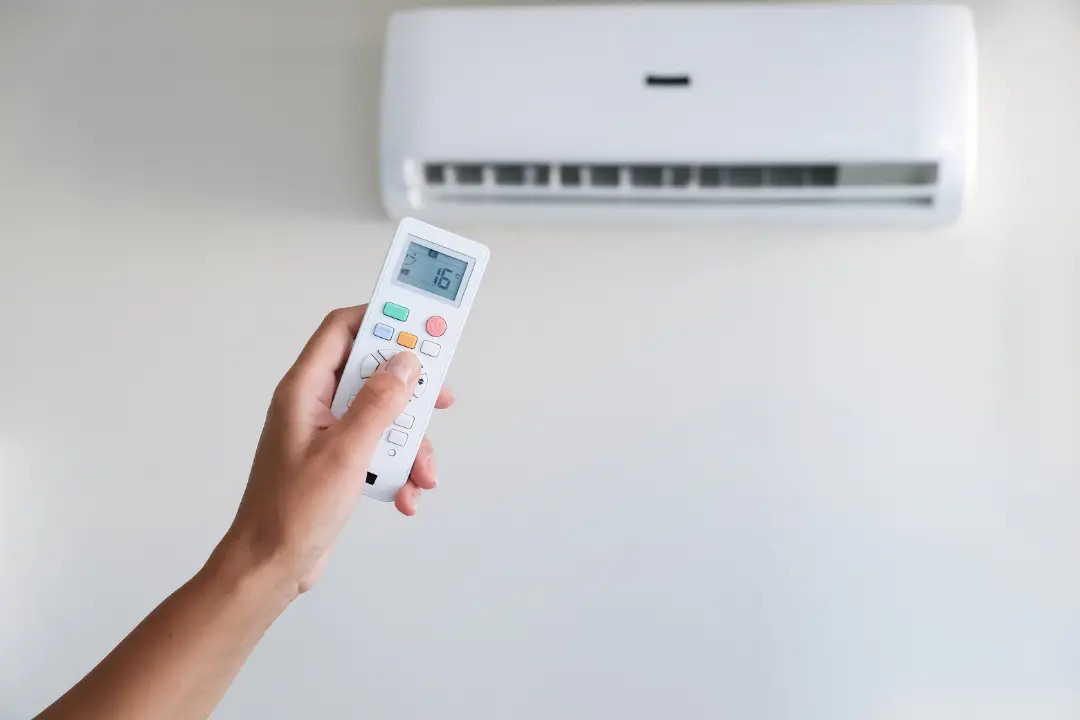
What Smart Habits and Supplementary Cooling Methods Can Cut Your AC Bill?
Behaviour changes and low‑cost cooling methods reduce the need for continuous air‑conditioning by lowering indoor heat gain and improving perceived comfort. Simple habits such as using ceiling and portable fans, closing blinds during the day, shifting heavy cooking to cooler hours, and using nighttime ventilation can let you set the thermostat higher without losing comfort. The list below outlines practical, high‑impact habits to try right away.
- Use ceiling fans when occupied: Fans boost perceived comfort so you can raise the thermostat a few degrees.
- Close curtains/blinds during midday: Blocking direct sun cuts indoor heat and AC run‑time.
- Run heavy appliances at night: Laundry and dishwashers add heat; schedule them when it’s cooler.
Combine these habits with smart setbacks and regular maintenance to multiply savings and reduce system wear. Small behaviour changes make a noticeable difference on your bill.
Using Fans and Natural Ventilation with Your AC
Fans increase evaporative cooling on skin, typically letting you raise the thermostat by 2–4°C while staying comfortable. Use ceiling fans in occupied rooms and portable fans for targeted cooling.
Night-time ventilation, opening windows to purge heat when outdoor air is cooler than indoors, lowers the temperature baseline for the next day. Take sensible security and insect precautions for Sydney evenings, and switch fans off in empty rooms to avoid wasted energy. Pairing fans with higher setpoints reduces compressor run time and uses very little power.
Reducing Internal Heat Sources to Save Energy
Ovens, dryers, incandescent lights, and many electronics add indoor heat and make your AC work harder. Run heat‑producing appliances outside peak heat hours, swap incandescent bulbs for LEDs, air‑dry where possible, and consider cooking outdoors on the hottest days.
Small changes, like regular AC maintenance, running the dishwasher at night, or pre‑cooling food, add up across a household to cut peak cooling demand and lower bills. These behavioural steps complement thermostat and envelope improvements for lasting summer savings.
Frequently Asked Questions
What Are Some Cost-Effective Ways to Improve Home Insulation?
Start with simple, affordable steps: seal gaps around windows and doors with weatherstripping or caulk to stop air leaks, add or top up attic/roof insulation (this usually gives the biggest benefit), and consider thermal curtains for sun‑facing windows.
If the budget allows, look at wall or floor insulation and duct insulation. These measures improve comfort and can noticeably reduce air‑conditioning costs without a large outlay.
How Often Should I Clean Or Replace My AC Filters?
Check filters every month during heavy use. Many filters need cleaning or replacing every 1–3 months, depending on type and household conditions (pets, dust, allergies). A clogged filter restricts airflow, increases energy use, and can shorten equipment life. Regular filter care improves air quality and helps keep energy bills down.
What Are The Benefits Of Using Ceiling Fans In Conjunction With Air Conditioning?
Ceiling fans create a wind‑chill effect that lets you raise the thermostat by 2–4°C while staying comfortable, which reduces cooling demand. Fans also circulate cool air to reduce hot spots. For best results, run fans only in occupied rooms and switch them off when you leave.
How Can I Effectively Use Natural Ventilation to Reduce AC Usage?
Open windows in the cooler parts of the day, early morning, and late evening, to bring in fresh air. Create cross‑ventilation by opening windows on opposite sides of the house to generate a breeze that removes trapped heat. Always consider safety and insect screens when using this strategy. Natural ventilation can cut the hours your AC needs to run.
Cut Cooling Costs Without Losing Comfort
Reducing your summer AC bill in Sydney is about stacking small advantages, not suffering in a hot house. Keep your thermostat in the 24–26°C range with smart or programmable controls, clean filters regularly, and book professional maintenance so coils and refrigerant levels stay efficient.
Seal gaps, improve roof/ceiling insulation, and use shading, fans, night ventilation, and off-peak appliances to lower the cooling load before the air-con even turns on. Put a few of these steps in place now, and you’ll run the system less, stay comfortable, and head into each summer with lower bills and fewer breakdowns.