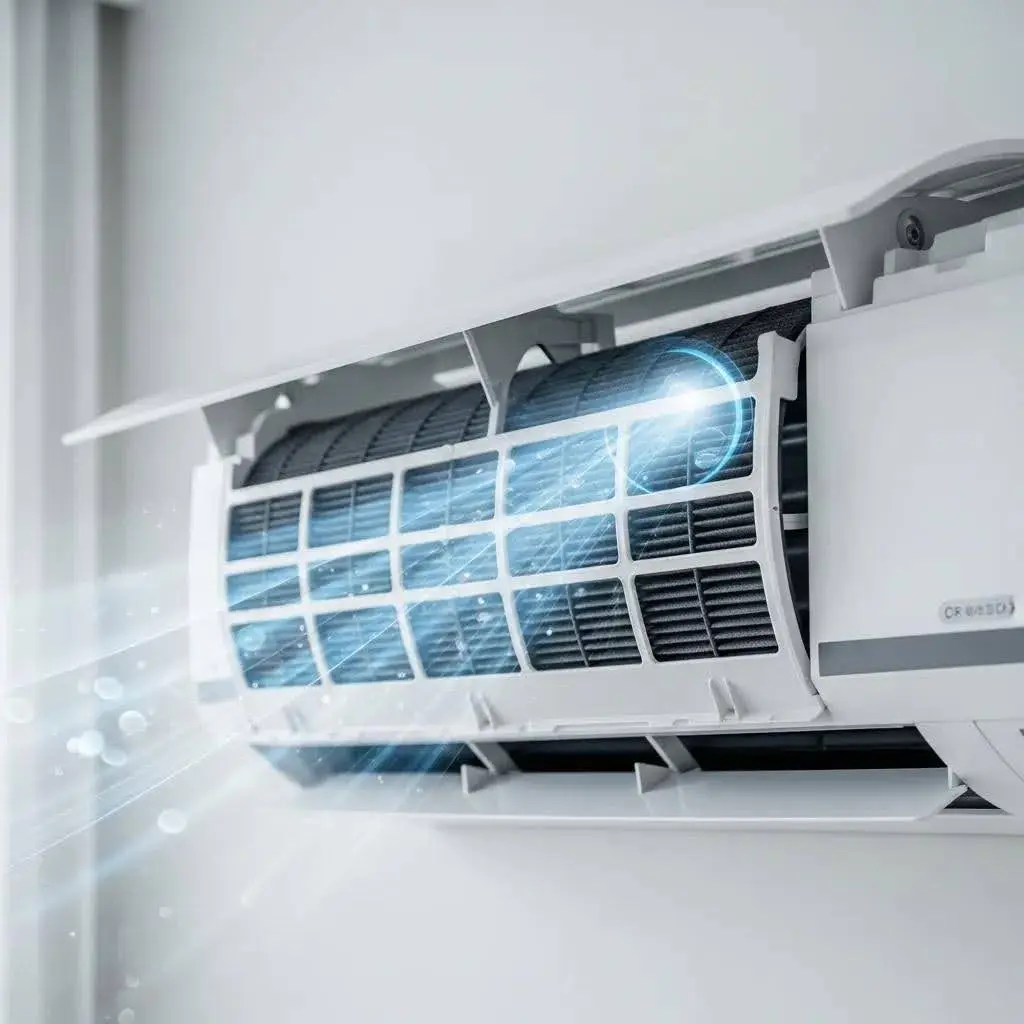
Choosing the right air conditioning filter has a direct impact on indoor comfort and health. MERV 13 and HEPA filters are two common choices with different strengths.
In this guide, we compare specifications, efficiency, performance, cost, and maintenance so homeowners and businesses can make an informed decision for HVAC systems in Sydney.
What Are MERV 13 and HEPA Filters? Understanding Their Features and Benefits
MERV 13 and HEPA filters remove airborne particles to improve indoor air quality. MERV (Minimum Efficiency Reporting Value) rates filter effectiveness.
A MERV 13 filter captures many airborne particles across several size ranges, making it suitable for many homes and businesses.HEPA (High-Efficiency Particulate Air) filters deliver higher capture rates of at least 99.97% at 0.3 microns and are often recommended where stricter allergen or pollutant control is needed.
Key Specifications and Advantages
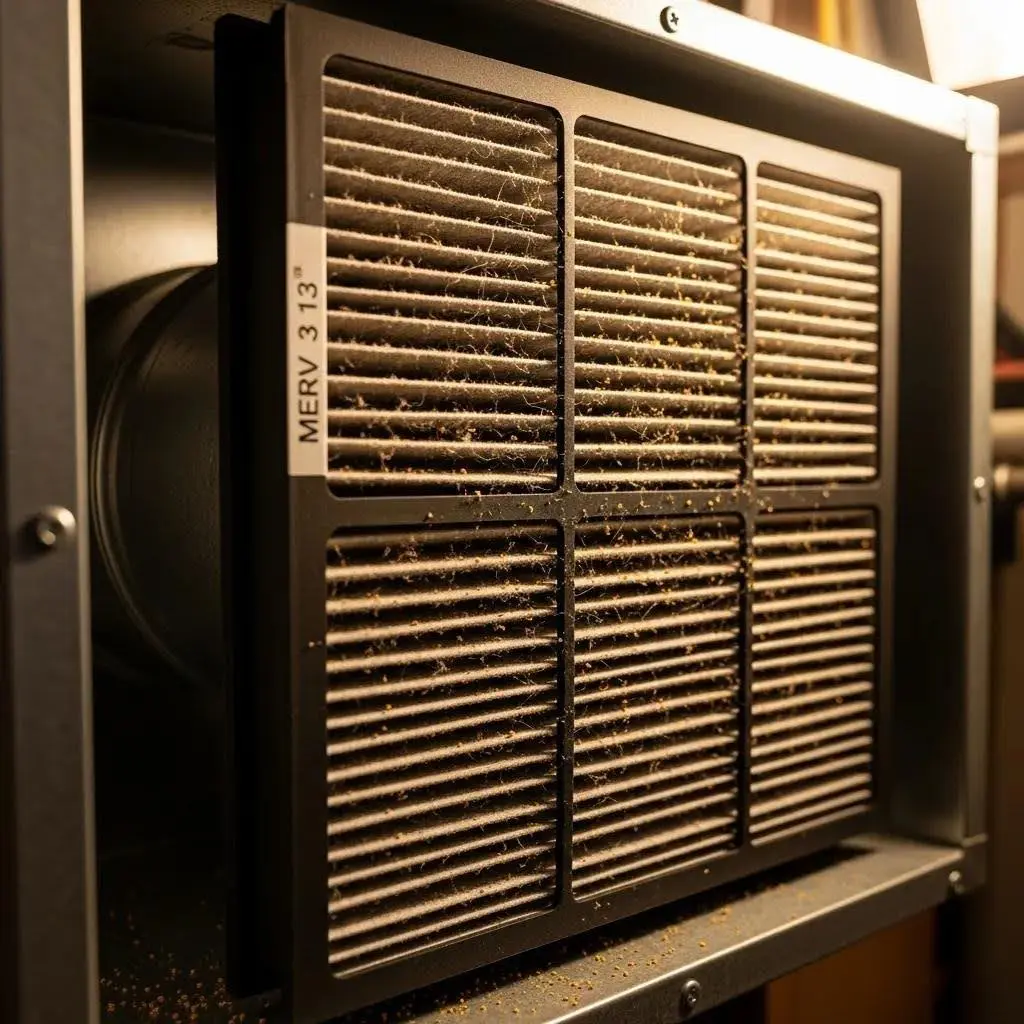
MERV 13 filters balance particle capture with manageable airflow resistance. They trap contaminants like dust, pollen, and pet dander while helping many HVAC systems maintain efficient airflow. Key specs include:
- Filtration Efficiency: MERV 13 filters capture particles with efficiency that varies by size, with stronger performance on larger particles.
- Airflow Resistance: Designed to maintain good airflow for HVAC efficiency.
- Cost-Effectiveness: Typically more affordable than HEPA options for many households.
Because they combine strong filtration with lower impact on system performance, MERV 13 filters are a practical choice for improving indoor air quality in most homes and commercial spaces.
Efficiency and Health Benefits Explained
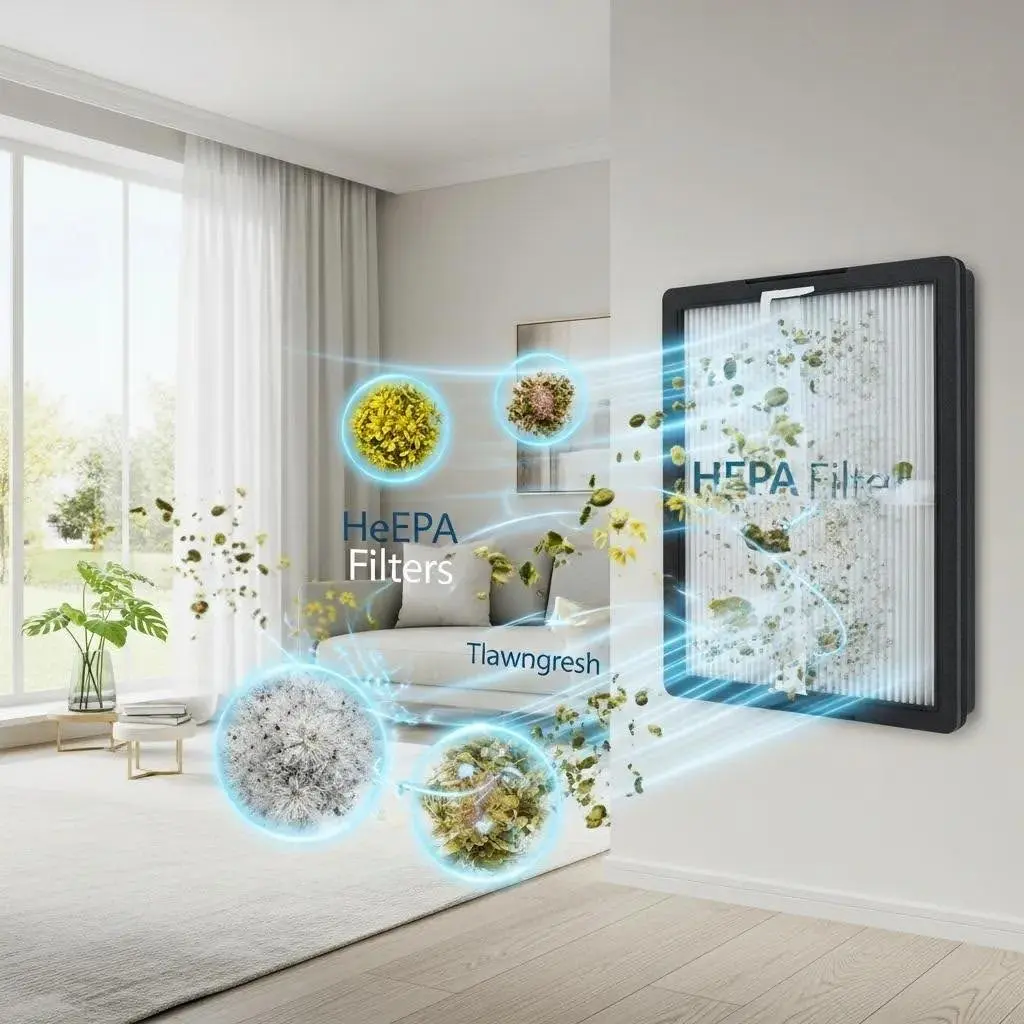
HEPA filters use a dense mat of fibres to trap particles as air passes through. The standard for HEPA performance is capturing at least 99.97% of particles at 0.3 microns. That makes HEPA highly effective against allergens such as pollen, mould spores, and pet dander.
Beyond allergens, HEPA filtration also reduces fine pollutants and some airborne bacteria, so it’s used where air quality is critical, for example, in healthcare settings or homes with vulnerable occupants.
How Do MERV 13 and HEPA Filters Compare in Air Filter Ratings and Efficiency?
Comparing ratings and efficiency clarifies each filter’s role: both improve indoor air but serve different needs.
Particle Capture Capabilities of MERV 13 vs HEPA Filters
| Filter Type | Particle Size Range | Capture Efficiency |
|---|---|---|
| MERV 13 | 0.3 to 10 microns across size bands | Varies by particle size |
| HEPA | 0.3 microns | 99.97% |
The table shows MERV 13 offers strong overall filtration, while HEPA provides superior capture of very small particles that can affect respiratory health.
Filter Offers Better Performance for Allergy Relief and Indoor Air Quality
HEPA filtration may help reduce exposure to airborne allergens, especially in homes with pets or in areas with higher particle pollution. Many users report noticeable symptom relief after installing HEPA filtration, especially in homes with pets or in polluted urban areas.
MERV 13 filters remain an effective and practical option for general air quality improvement. They deliver good allergen reduction while preserving airflow and HVAC efficiency, making them well-suited to standard residential use.
What Are the Cost, Maintenance, and Lifespan Differences Between MERV 13 and HEPA Filters?
Cost, maintenance, and lifespan vary between MERV 13 and HEPA. Understanding these factors helps you weigh benefits versus ongoing expense and system impact.
Replacing MERV 13 and HEPA Air Conditioning Filters
Replacement intervals depend on use and environment. Generally, MERV 13 filters are replaced every 3 to 6 months. HEPA filters can last longer, but replacement timing depends on the equipment, usage, and manufacturer guidance. Timely replacement keeps airflow and filtration effective.
Installation and Maintenance Considerations for Each Filter Type
MERV 13 filters are often straightforward to install, while HEPA filters may require system-specific modifications. MERV 13 filters fit standard HVAC systems in many cases. HEPA filters may need specific housings or adaptations to fit and operate. Regular inspections and timely replacements are essential to maintain performance.
How to Choose the Right Air Filter for Your HVAC System in Sydney?
Choosing the right filter requires assessing your air quality needs, system compatibility, and maintenance capacity for your household or business environment.
Best Filter for Residential and Commercial HVAC Needs
For most homes, MERV 13 balances filtration and airflow. For commercial sites or residences with strong air quality needs, HEPA’s higher capture rate may be preferable, if the system can support it.
Smartway Aircon Can Help With Air Conditioning Service and Maintenance
Smartway Aircon is a Sydney-based air conditioning service provider specialising in installation, maintenance, and repair. They can service your air conditioning system and advise on maintenance needs for better indoor air quality.
Frequently Asked Questions
What are the main differences in cost between MERV 13 and HEPA filters?
MERV 13 filters are generally more affordable than HEPA filters, making them a cost-effective choice for many households. The price difference can be significant, as HEPA filters often require a higher initial investment due to their advanced filtration capabilities. However, it’s essential to consider the long-term benefits of each filter type, including their efficiency and lifespan, when evaluating overall costs. While MERV 13 filters may save money upfront, HEPA filters can provide superior air quality, which may justify the higher price for some users.
Can MERV 13 filters effectively reduce allergens in the air?
Yes, MERV 13 filters can effectively reduce allergens in the air, capturing many particles across multiple size ranges. This includes common allergens such as dust, pollen, and pet dander. While they are not as efficient as HEPA filters, which capture 99.97% of particles at 0.3 microns, MERV 13 filters still provide significant allergen reduction. They are a practical choice for households looking to improve indoor air quality without the higher costs associated with HEPA filters.
Are there specific environments where HEPA filters are recommended over MERV 13 filters?
HEPA filters are recommended in environments where air quality is critical, such as healthcare facilities, laboratories, and homes with vulnerable occupants, like infants or individuals with respiratory issues. Their ability to capture at least 99.97% of particles at 0.3 microns makes them ideal for controlling allergens and pollutants. In contrast, MERV 13 filters are suitable for general residential use and can effectively improve air quality in most settings, but they may not meet the stringent requirements of specialized environments.
How do MERV 13 and HEPA filters impact HVAC system performance?
MERV 13 filters are designed to maintain good airflow while providing effective filtration, making them a balanced choice for most HVAC systems. They help improve indoor air quality without significantly hindering system performance. In contrast, HEPA filters, while highly effective, can create more airflow resistance, potentially requiring more powerful HVAC systems or modifications for optimal performance. It’s essential to consider your HVAC system’s specifications and capabilities when choosing between these filter types to ensure efficient operation.