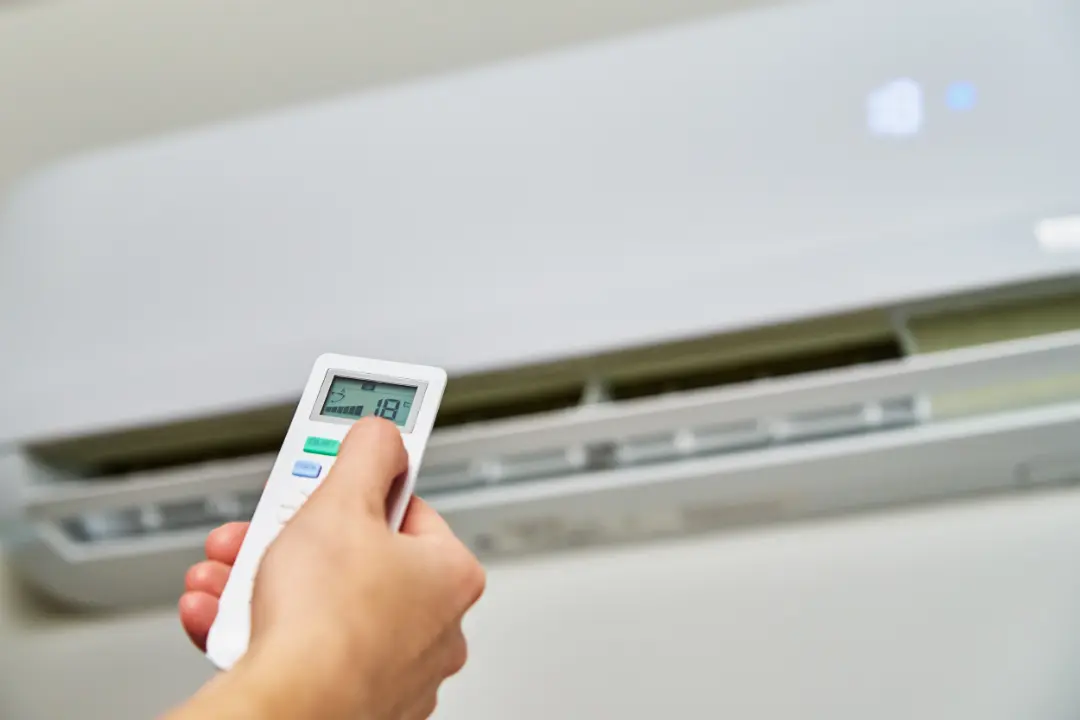
Reverse cycle air conditioning is a heat-pump system that both heats and cools by reversing the refrigeration cycle. Instead of producing heat, it moves it, giving warm air in winter and cool air in summer from the same equipment.
Below, we explain the basics of how reverse cycle systems work, the components that make mode reversal possible, the benefits for homes and businesses, and practical advice on system types and local AC installation in Sydney.
Many households and commercial properties want lower running costs and better indoor air quality; modern reverse cycle units deliver both by combining inverter compressors, efficient refrigerant flow, and effective filtration.
How Does Reverse Cycle Air Conditioning Work?
Reverse cycle air conditioning uses the refrigeration cycle to transfer heat. In cooling mode, it extracts heat from inside and releases it outdoors. In heating mode, a reversing valve swaps refrigerant flow so the outdoor unit pulls heat from the air outside and delivers it inside.
The same system therefore provides both functions, while inverter compressors vary speed to match demand and save energy.
Heat pumps move refrigerant through phase changes across evaporator and condenser coils; the compressor raises pressure and temperature so heat can be carried efficiently. Knowing these basics explains why reverse cycle units are heat pumps and why they can outperform simple resistive heaters.
The Heat Pump Principle Behind Reverse Cycle Systems
The heat pump principle is straightforward: move thermal energy from one place to another instead of creating it by resistance or combustion.
Refrigerant evaporates at low pressure to absorb heat and condenses at high pressure to release it. A reversing valve swaps which coil acts as the evaporator or condenser to change between heating and cooling.
This approach yields coefficients of performance (COP) often above 3.0, roughly three units of heat for each unit of electricity, which is why heat pumps can deliver the equivalent of 300–400% heating output per unit of electricity compared with electric resistance heating.
Combined with inverter control, this is the main reason reverse cycle systems are so efficient.
Key Components That Enable Heating and Cooling
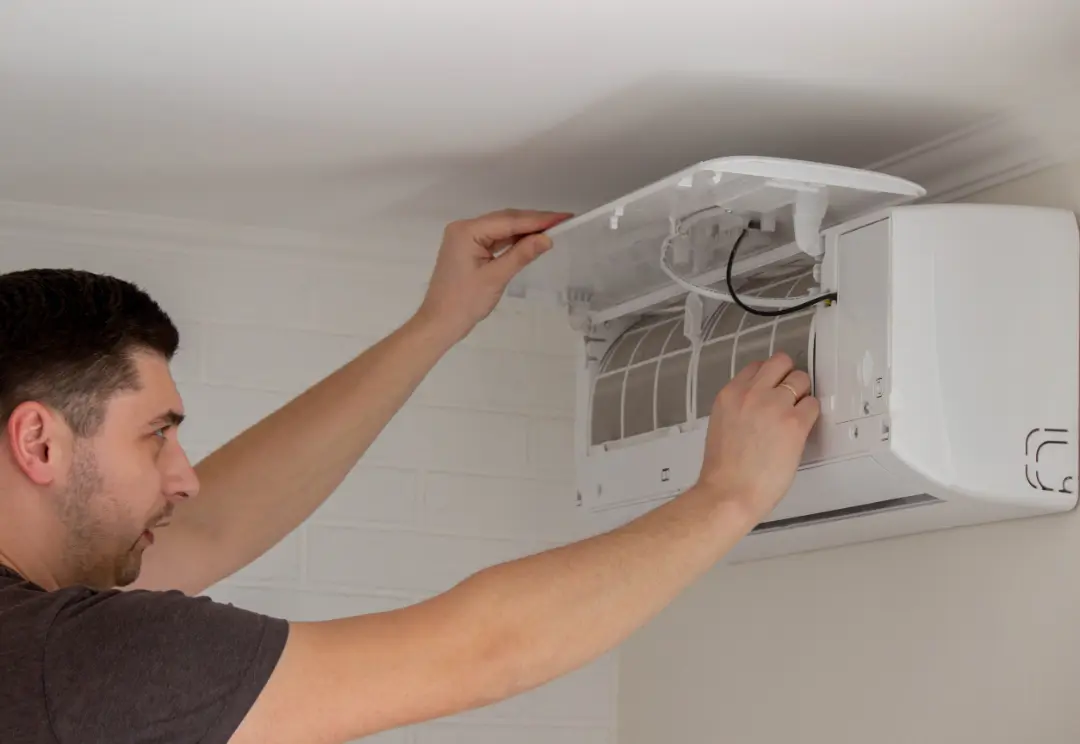
A typical reverse cycle system includes a compressor, indoor coil (serving as evaporator or condenser depending on mode), outdoor coil, expansion valve, reversing valve, refrigerant lines, and air filters.
The compressor pressurises the refrigerant to move heat, the expansion valve reduces pressure so the refrigerant can absorb heat, and the reversing valve flips the flow to change modes.
Inverter technology varies compressor speed for better efficiency, and good filtration helps manage indoor air quality by capturing dust and allergens.
What Are the Benefits of Reverse Cycle Air Conditioning?
Reverse cycle air conditioning delivers efficient, year-round climate control, improved indoor air quality, accurate temperature management, and lower long-term running costs compared with separate heating and cooling systems.
Because these systems transfer heat rather than generate it electrically, they typically offer higher COPs and reduced energy use when sized and installed correctly.
Modern units also include filtration and humidity control to improve comfort and reduce allergens, useful for sensitive occupants. Inverter models run more quietly and maintain temperature more precisely, benefiting both homes and businesses.
Key advantages for most properties include:
- Higher energy efficiency: Moves heat, often producing several units of heating per unit of electricity.
- Year‑round comfort: One system handles both heating and cooling across seasons.
- Improved air quality: Filters and controlled airflow reduce dust and common allergens.
- Lower lifetime cost: Single-system ownership usually means lower running costs and simpler maintenance.
How Reverse Cycle Air Conditioning Boosts Energy Efficiency
Reverse cycle systems save energy through heat-pump operation, inverter compressor modulation, and correct sizing to match the building’s heating and cooling load.
COP and EER are common performance metrics: a higher COP means more heat delivered per unit of electricity. Inverter control prevents frequent on/off cycling, reducing losses.
Correctly sized systems avoid short cycling and maintain efficiency; regular maintenance keeps coils clean, so heat transfer stays effective. Small changes, modest thermostat adjustments, and using schedules also lower running costs without sacrificing comfort.
Comfort and Air Quality Advantages
Reverse cycle systems provide even temperature distribution, humidity control, and multi-zone options so you can set different conditions by room.
Filters capture particulates, and some higher-efficiency filters reduce allergens, helping occupants with sensitivities. In cooling mode, the system dehumidifies, improving perceived comfort and lowering mould risk when managed properly.
Together, precise temperature control, filtration, and humidity management create healthier indoor environments for both residential and commercial spaces.
| Attribute | How Reverse Cycle Helps | Practical Impact |
|---|---|---|
| Energy Efficiency | Moves heat using refrigerant and inverter compressors | Lower electricity use and reduced running costs |
| Year‑round Use | Reversing valve swaps heating and cooling modes | One system covers all seasons |
| Air Quality | Filters and controlled airflow reduce particulates | Improved comfort and fewer allergy triggers |
| Running Costs | Higher COP than resistive heating | Faster payback and lifecycle savings |
Smartway Air Conditioning offers local expertise across Sydney and can assess whether a reverse cycle upgrade suits your property. Our technicians are licensed and insured; we provide 24-hour service where needed, and qualifying installations are covered by our lifetime workmanship guarantee.
What Types of Reverse Cycle Air Conditioning Systems Are Available?
Reverse cycle systems come in several formats: single split units for individual rooms, multi-split systems that run several indoor units from one outdoor unit, and ducted systems that distribute air through concealed ducts for whole-building coverage.
Each option balances coverage, appearance, installation complexity, and cost, so the right choice depends on your layout and priorities. Inverter split systems offer efficient, zoned comfort for apartments and single rooms, while ducted systems suit whole houses or commercial spaces that value discreet delivery and central control.
Choosing the right system means weighing upfront installation impact against long-term convenience and efficiency.
Split vs Ducted vs Multi-Split Systems
Here’s a quick summary to guide your decision before a site assessment.
Use this list to compare system differences at a glance.
- Split system: Best for single rooms, straightforward installation, and lower upfront cost.
- Multi-split system: Powers several indoor units from one outdoor unit, saving wall or roof space externally.
- Ducted system: Supplies whole‑home coverage through hidden vents with central control.
| System Type | Best Use Case | Pros | Cons | Typical Sydney cost range |
|---|---|---|---|---|
| Split system | Single rooms or small apartments | Lower installation cost, straightforward control | Visible indoor unit, limited zoning | Varies by capacity and brand |
| Multi‑split system | Multiple rooms without ductwork | Flexible zoning, single outdoor unit footprint | More complex refrigerant runs | Varies by complexity and brand |
| Ducted system | Whole houses and commercial spaces | Concealed outlets, even airflow, central control | Higher installation cost, ductwork required | Varies with ducting needs and house size |
Best System Types for Sydney Homes and Businesses
Sydney’s temperate climate means you’ll need reliable cooling in summer and moderate heating in winter, making inverter reverse cycle systems a sensible choice for many properties. Apartments and terraces often suit split or multi-split systems to avoid ductwork, while detached houses and commercial buildings may favour ducted systems for whole-space comfort and discreet aesthetics.
Professional sizing, good insulation, and consideration of occupancy patterns determine the optimal selection. For a precise recommendation, arrange a site inspection and load calculation so the system matches your needs and delivers efficient performance.
Smartway Air Conditioning recommends an on-site assessment and can advise on the right system type for Sydney properties. Our specialists work with leading manufacturers and tailor advice to local climate and building characteristics.
How Is Reverse Cycle Air Conditioning Installed and Maintained in Sydney?
Professional installation follows a clear process: site survey and load calculation, system selection and any permit checks, mounting indoor and outdoor units, running refrigerant lines and electrical work, commissioning and performance testing, then handover with operating guidance.
Correct installation protects safety, efficiency, and warranty cover; commissioning confirms refrigerant charge, airflow, and controls. Regular servicing keeps coils and filters clean, checks electrical integrity, and preserves efficiency throughout the system’s life.
What Professional Installation Services Include
Expect a thorough pre-install survey that measures room volumes, insulation, and electrical capacity to size the system correctly. Licensed installers will follow safety and compliance standards, secure indoor and outdoor units, and connect refrigerant and electrical systems to manufacturer specifications.
Commissioning should include pressure checks, refrigerant charge checks, thermostat calibration, and an end-to-end walkthrough. Ask for written test results and any workmanship guarantees so you have clear documentation after installation.
- Site survey and load calculation: Confirms correct capacity and placement.
- Safe installation and electrical connection: Ensures compliance and reliable operation.
- Commissioning and testing: Verifies performance and refrigerant charge.
- Handover and documentation: Provides operating guidance and warranty details.
| Service | What’s Included | Frequency/Timing | Typical Timeframe | Business CTA |
|---|---|---|---|---|
| Installation survey | Load calculation and site planning | One‑off before install | 1–2 hours | Contact Smartway Air Conditioning to book an assessment |
| Full installation | Mounting, piping, wiring, commissioning | One‑off at install | 1–3 days, depending on the scope | Ask about licensed technicians and our workmanship guarantee |
| Routine service | Filter clean, coil check, and electrical inspection | Annual or biannual | 1–2 hours | Book regular maintenance to preserve efficiency |
Smartway Air Conditioning provides 24-hour availability for urgent calls, employs licensed and insured technicians, and backs qualifying work with a lifetime workmanship guarantee. We focus on reliable installations, clear pricing, and practical maintenance plans.
How Maintenance and Repairs Extend System Efficiency
Routine maintenance includes cleaning or replacing filters, inspecting and cleaning coils, checking refrigerant charge and lines for leaks, and verifying electrical connections and controls.
Regular servicing preserves heat-exchange efficiency, prevents airflow restrictions, and reduces compressor strain that can cause early failure.
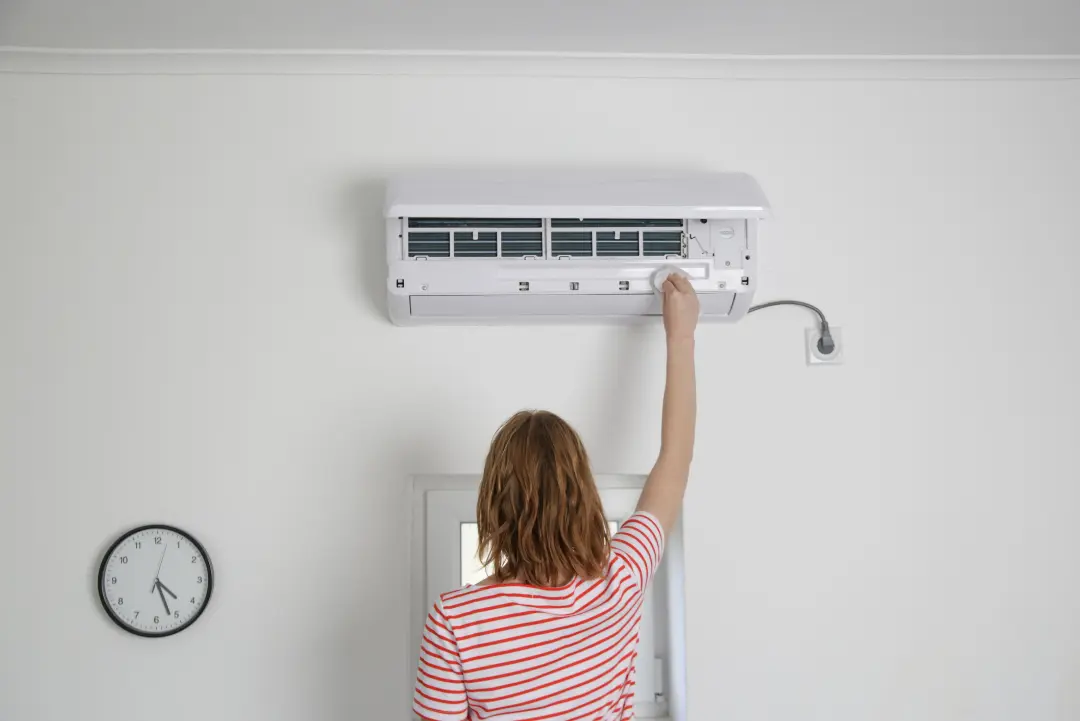
Signs you need a repair include reduced airflow, unusual noises, rising energy use, or ice on coils. Proactive servicing extends system life, keeps warranties valid, and lowers running costs over time.
Maintenance checklist introduction: A short list to help with routine care and early issue detection.
- Filter cleaning or replacement: Monthly to quarterly, depending on use.
- Coil inspection and cleaning: Annual or as part of seasonal servicing.
- Refrigerant leak check and charge verification: Yearly or if performance drops.
- Electrical and control inspection: Annual safety check and calibration.
Consistent maintenance keeps your system efficient and reduces the chance of unexpected breakdowns, a cost-effective approach for most reverse cycle owners.
Frequently Asked Questions
What Is the Lifespan of a Reverse Cycle Air Conditioning System?
Most reverse cycle systems last around 10–15 years, depending on usage, how well they’re maintained, and installation quality. Regular filter cleaning, coil care, and timely repairs can extend that life.
Choosing a well-supported brand and having the system installed correctly also makes a big difference, as does operating the unit in line with manufacturer guidance.
How Do I Choose the Right Size Reverse Cycle Air Conditioning System for My Home?
Right-sizing requires a heating and cooling load calculation, usually measured in BTUs or kilowatts. Important factors are floor area, ceiling height, insulation, window size, orientation, and local climate.
A qualified installer will run a site assessment and recommend the correct capacity so the unit runs efficiently. Undersized units struggle to reach set temperatures, while oversized units can cycle too often and create humidity issues.
Can Reverse Cycle Air Conditioning Systems Be Used in Commercial Spaces?
Yes, reverse cycle systems are well-suited to many commercial environments. Ducted systems are common where even airflow and central control are needed, while multi-split or VRF-style systems suit offices and retail spaces requiring zoned control.
The energy efficiency of reverse cycle technology can deliver meaningful operating cost savings for businesses.
What Maintenance is Required for Reverse Cycle Air Conditioning Systems?
Maintenance includes cleaning or replacing filters, inspecting and cleaning coils, verifying refrigerant levels, and inspecting electrical connections.
Filter tasks are often monthly to quarterly, depending on use, and a full service is usually recommended annually. Regular professional checks help catch small issues before they become costly faults and keep the system running at its best efficiency.