This glossary explains essential HVAC terms Sydney homeowners see on quotes, manuals, and service reports, so you can make confident choices about installing, maintaining, or repairing your heating and cooling.
Inside you’ll find plain-language definitions for core ideas like HVAC, compressors, refrigerants, BTU, and SEER, plus practical maintenance terms that link common problems to likely services.
Knowing this vocabulary cuts down on miscommunication with technicians, helps you prioritise repairs or upgrades, and supports more accurate sizing and efficiency quotes. Use it as a quick reference to key components such as heat pumps, air handlers, and ducted systems when booking support in Sydney.
What are the essential HVAC terms every homeowner should know?
Here we introduce the basic HVAC language you’ll see on invoices, manuals, and service reports, and explain why each term matters for comfort, safety, and running costs. Learning these words helps you tell whether a fault is electrical, mechanical, or refrigerant-related and lets you ask the right questions during quotes and inspections.
Below are concise, useful definitions that turn technical terms into clear homeowner actions. These basics also indicate whether a simple filter change, a repair, or a full replacement is likely. Later sections expand on core components and the practical differences between heating and cooling terms.
Below are concise, useful definitions that translate technical terms into homeowner actions. These basics also indicate whether a simple filter change, a repair, or a full replacement is likely. Later sections expand on core components and the practical differences between heating and cooling terms.
Essential HVAC terms every homeowner should recognise:
- HVAC: Heating, Ventilation, and Air Conditioning, the collective name for systems that control indoor temperature, humidity, and airflow.
- Thermostat: The control device that sets the temperature and starts or stops heating and cooling cycles.
- Ductwork: The network of channels that deliver conditioned air; leaks or blockages reduce efficiency and comfort.
- Heat pump: A reversible system that moves heat to provide both heating and cooling, rather than creating heat directly.
These definitions give you a starting point for talking about system types and recognising when to request diagnostics or an energy-efficient upgrade.

HVAC meaning and core components
HVAC stands for Heating, Ventilation, and Air Conditioning, systems that manage temperature, humidity, and indoor air quality. Key parts include the compressor, condenser coil, evaporator coil, air handler or fan, ductwork, and thermostat.
Each component has a clear role: the evaporator coil absorbs heat from inside, the condenser coil releases heat outdoors, and the compressor circulates refrigerant between them. Recognising these names on service reports helps you understand recommended repairs and replacement priorities and makes it easier to compare split systems with ducted systems for Sydney homes.
Differences between air conditioning and heating terms
Air conditioning vocabulary centres on cooling processes, refrigerant, evaporator, condenser, and compressor, while heating language focuses on heat sources like burners or heat exchangers and on reversing valves for heat pumps. Heat pumps overlap both sets of terms because they reverse the refrigeration cycle to heat as well as cool.
Controls and airflow parts (thermostats, ductwork, air handlers) are common to both. Knowing the distinction helps you spot whether a problem is seasonal (cooling only) or something that affects year-round operation and guides the right system choice for Sydney’s climate.
How do key HVAC components like compressors and refrigerants work?
This section explains how mechanical parts and refrigerants create cooling and heating, what failures mean for your home, and which symptoms point to specific faults. Understanding the refrigeration cycle, evaporation, compression, condensation, and expansion, helps you read service findings and judge urgency.
The following subsections describe the compressor and refrigerants, with short notes on typical service steps when things go wrong. Spotting component-failure signs speeds up correct diagnosis and safer repairs.
Compressors and their role in air conditioning
The compressor is the refrigeration cycle’s heart: it raises low-pressure refrigerant vapour to high pressure so the condenser can expel heat outside, allowing the indoor evaporator to provide cooling. When a compressor fails, you might notice weak or no cooling, tripped breakers, vibration, or loud humming, signs of electrical faults, mechanical wear, or refrigerant issues.
Don’t run a system showing these symptoms, to avoid further damage. How Smartway Airconditioning helps: our technicians diagnose the compressor, start and relay faults, and recommend whether repair or replacement will restore reliable cooling.
Refrigerants and their impact on HVAC performance
Refrigerants are specialised fluids that move heat through phase changes (liquid to vapour and back) inside the refrigeration cycle. Their properties determine capacity and efficiency, and different refrigerants have different environmental and regulatory implications.
Signs of refrigerant problems include reduced cooling, ice on evaporator coils, and hissing noises; these usually require leak detection, repair, and an authorised recharge. How Smartway Airconditioning helps: for suspected leaks or retrofits, we provide leak detection, certified repairs, and refrigerant handling that follows current regulations and protects system efficiency.
What do common HVAC efficiency terms like BTU and SEER mean?
This section translates sizing and efficiency numbers so you can relate them to bills and comfort, and shows why correct sizing and higher efficiency ratings usually lower running costs.
We compare key metrics side by side and give a simple example of how efficiency affects energy use. A compact comparison table explains SEER, EER, BTU, AFUE, and HSPF, and what they mean for homeowners. Finally, we outline when it makes sense to prioritise efficiency during a replacement.
Efficiency metrics explained briefly:
- BTU: A unit of heat capacity; higher BTUs mean more cooling or heating power for larger spaces.
- SEER: Seasonal Energy Efficiency Ratio, a higher SEER generally means lower seasonal electricity use for cooling.
- EER: Energy Efficiency Ratio, measures efficiency at a specific operating point, useful for peak-load comparisons.
These metrics affect sizing and expected running costs; below is a concise table to map each metric to homeowner decisions.
| Metric | What It Measures | Homeowner Impact |
|---|---|---|
| BTU | Heat output capacity | Helps determine the correct unit size for rooms or whole homes |
| SEER | Seasonal cooling efficiency | Higher SEER typically reduces seasonal electricity bills |
| EER | Instantaneous cooling efficiency | Useful when peak performance or hot-spot cooling matters |
| AFUE | Annual Fuel Utilization Efficiency (for furnaces) | Higher AFUE means more efficient gas heating |
| HSPF | Heating Seasonal Performance Factor (for heat pumps) | Higher HSPF improves heating-season efficiency |
This table helps you compare options when evaluating replacements. How Smartway Airconditioning helps: we size systems using calculated loads and local conditions, and recommend energy-efficient options based on likely running costs rather than rule-of-thumb sizing.
BTUs and their role in HVAC sizing
A BTU (British Thermal Unit) measures the energy needed to raise the temperature of one pound of water by one degree Fahrenheit and is used to express heating or cooling capacity. Correct BTU sizing balances comfort and efficiency: undersized units run all the time and can’t meet set points, while oversized units short-cycle, reduce dehumidification, and increase wear.
For accurate sizing, a professional load calculation considers room size, insulation, windows, and Sydney’s climate. How Smartway Airconditioning helps: our installers perform load calculations during quotes to match BTU capacity to real home requirements and avoid common sizing mistakes.
SEER ratings and air conditioner efficiency
SEER (Seasonal Energy Efficiency Ratio) estimates how much cooling a unit delivers over a season divided by the energy it uses; a higher SEER number generally indicates lower seasonal electricity consumption. For example, upgrading from a 13 SEER unit to a 16 SEER unit can reduce seasonal energy use, depending on your operating hours and electricity rates.
Real-world savings also depend on correct sizing, quality installation, and maintenance. How Smartway Airconditioning helps: we balance SEER with upfront cost and expected payback, so you choose the efficiency level that suits your household’s usage.
How can understanding HVAC maintenance terms improve system longevity?
Knowing maintenance vocabulary and common failure modes helps you prioritise tasks that protect efficiency and extend equipment life, things like filter replacement, coil cleaning, and refrigerant leak repair. This section lists typical maintenance activities, links common issues to standard services, and ends with a short call to action for proactive servicing.
Understanding these terms reduces emergency repairs and helps technicians apply the right fixes quickly. The final subsection outlines standard leak-repair steps and why licensed technicians are essential.
Preventive maintenance tasks every homeowner should expect:
- Filter replacement: Keeps airflow steady and protects coils from dust build-up.
- Coil cleaning: Removes debris that reduces heat transfer and lowers efficiency.
- Fan and motor inspection: Find wear or alignment issues that cause noise or failure.
Regular maintenance improves reliability and typically reduces running costs. The table below links common faults to usual service outcomes, so you know what to expect when you book a technician.
| Common Problem | Typical Symptom | Typical Service / Resolution |
|---|---|---|
| Refrigerant Leak | Weak cooling, ice on evaporator coil | Leak detection, repair, pressure test, evacuate, and recharge by a licensed technician |
| Clogged Filter | Reduced airflow, higher energy bills | Filter replacement and airflow check |
| Fan Motor Failure | No airflow, unusual noise | Motor diagnosis, bearing service, or motor replacement |
This mapping helps you know what to expect when booking service and why accurate diagnostics matter. Recognising these terms lets you schedule maintenance that preserves efficiency and helps avoid costly failures.
SEER ratings and air conditioner efficiency
HVAC maintenance is a scheduled set of inspections and services, filter changes, coil cleaning, electrical checks, and refrigerant level checks that keep systems running safely and efficiently. Regular maintenance lowers the risk of breakdowns, improves comfort, and can reduce energy use by keeping components working as designed.
A simple homeowner checklist is: check filters monthly, arrange a professional tune-up annually, and call for inspection if you hear unusual sounds or notice poor performance. Consistent servicing also helps meet warranty conditions and lets technicians catch corrosion or refrigerant issues early. If performance keeps declining, book professional maintenance sooner to reduce the risk of larger repairs.
Common HVAC issues, such as refrigerant leaks, and how they are fixed
Refrigerant leaks usually show as reduced cooling, ice on evaporator coils, or a faint hissing near lines or components. Leaks lower efficiency and can damage compressors if left unchecked.
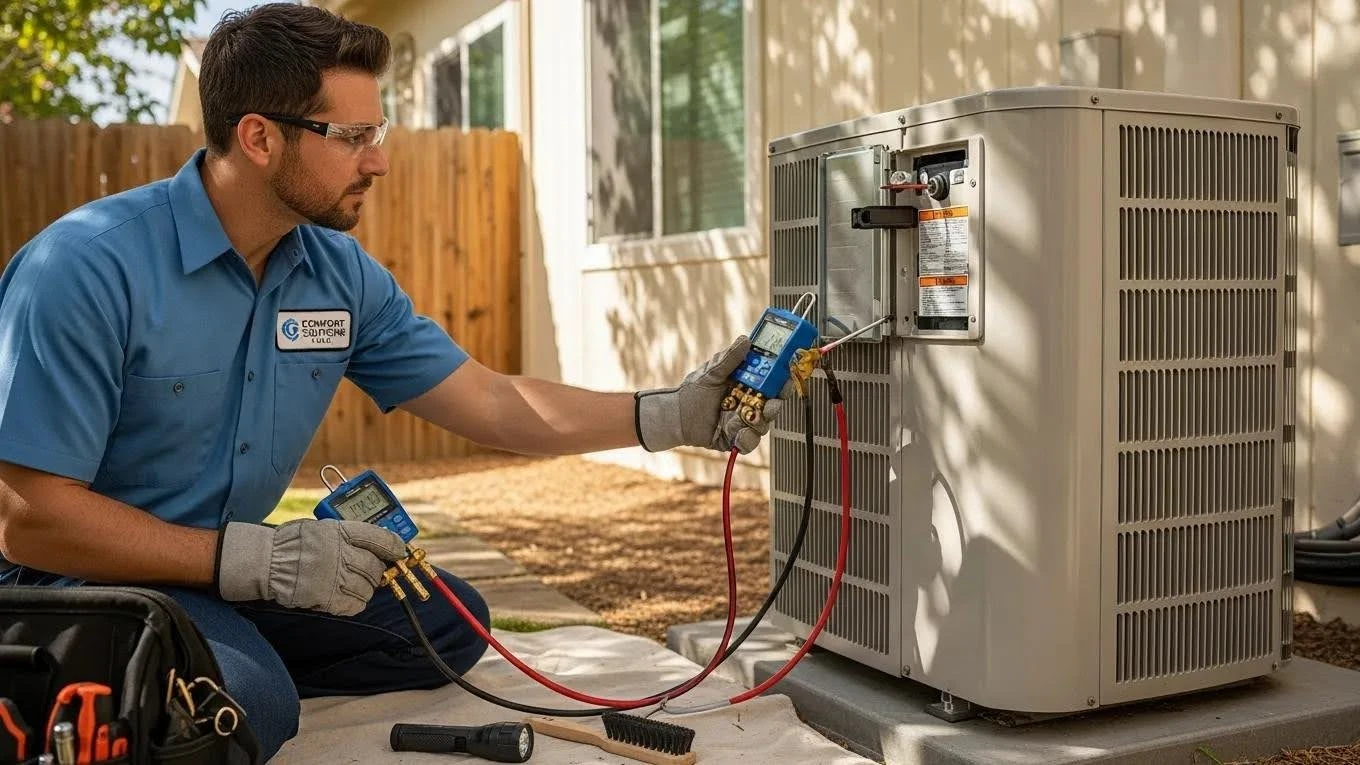
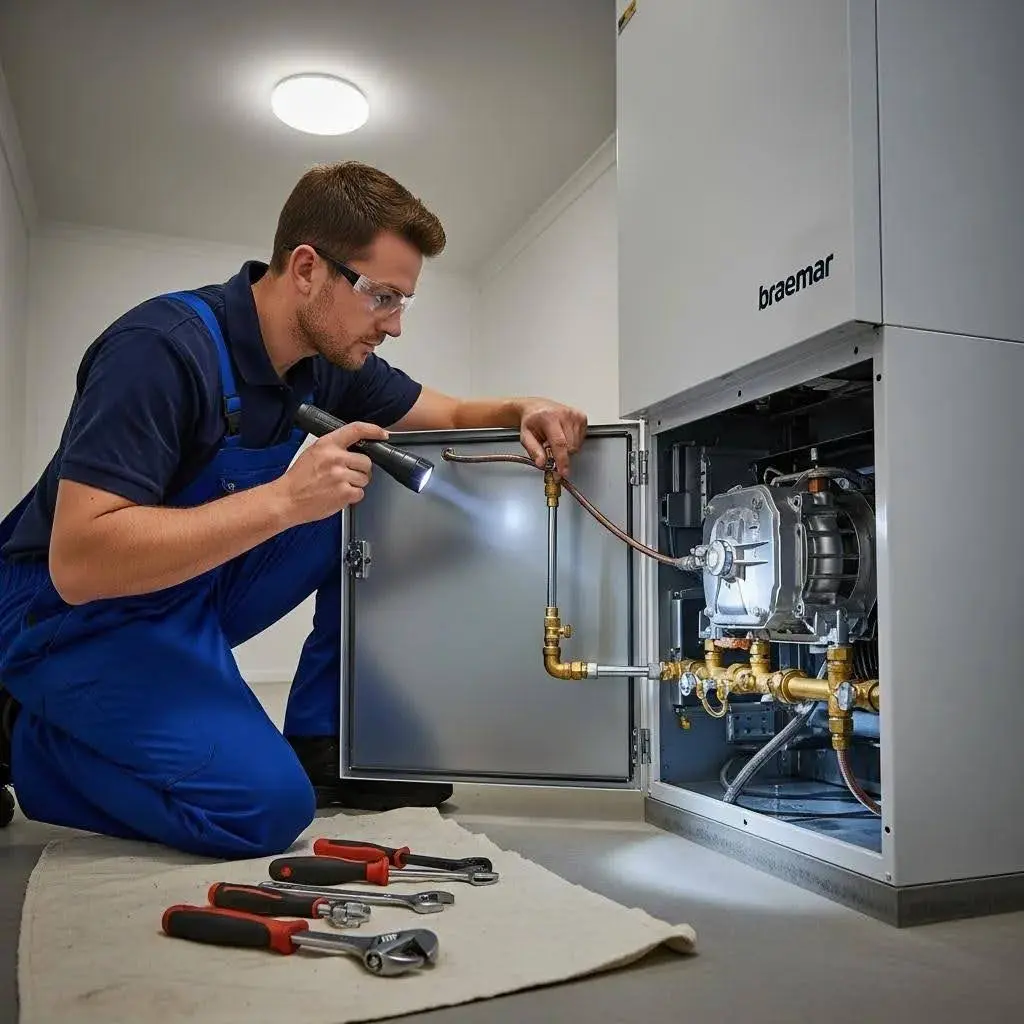
Typical repair steps are to locate the leak with electronic detectors, repair the source (solder, braze, or replace the faulty part), pressure-test the system, evacuate and recharge the correct refrigerant charge, then verify performance. Safety and regulation require licensed technicians for leak repairs and refrigerant handling.
How Smartway Airconditioning helps: for urgent refrigerant or cooling failures, we offer 24-hour HVAC repairs in Sydney and surrounding areas to get your system back to safe, efficient operation quickly.
Frequently Asked Questions(FAQs)
What Are The Benefits Of Regular HVAC Maintenance For Homeowners?
Regular maintenance keeps your system reliable, lowers the chance of unexpected breakdowns, and helps reduce energy bills. It also improves indoor comfort and air quality, extends equipment life, and helps with warranty compliance. Small, regular checks let technicians fix minor issues before they become costly.
How Can I Tell If My HVAC System Needs Repairs?
Look out for unusual noises, uneven temperatures, higher energy bills, poor airflow, frequent on/off cycling, or ice on coils. Any of these signs warrants a prompt inspection; catching problems early saves time and money.
What Should I Consider When Choosing An HVAC Contractor?
Choose a contractor with proper licences, insurance, and local experience. Read customer reviews, ask for references, and check that they provide clear, written estimates. A good contractor explains options, offers maintenance plans, and stands behind their work with warranties.
What Is The Average Lifespan Of An HVAC system?
Most HVAC systems last roughly 15–25 years, depending on system type, usage, and maintenance. Regular servicing and correct installation help extend life, while neglected systems tend to fail earlier. Consider replacement when breakdowns become frequent or repair costs rise significantly.